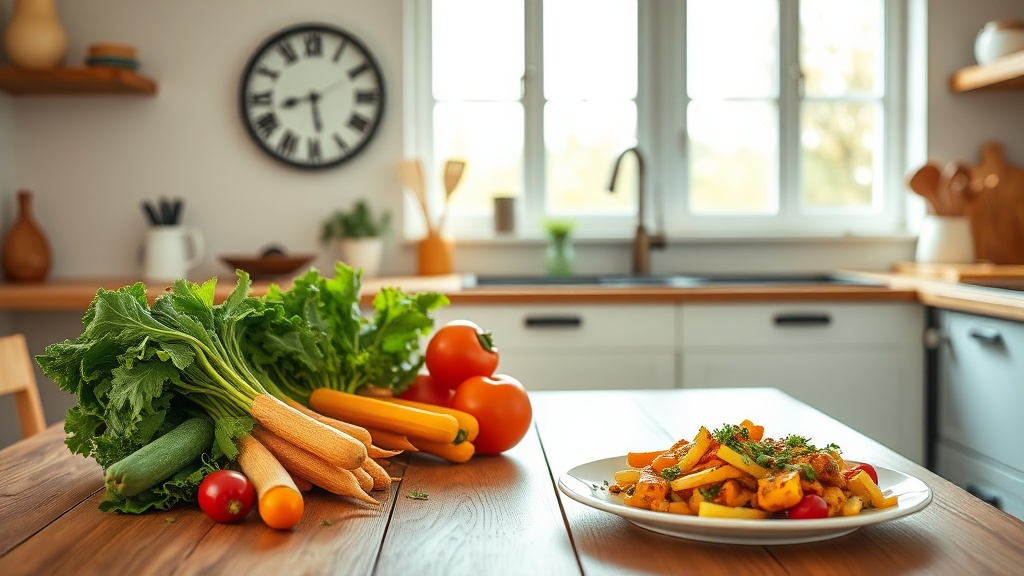
Bio‑Harmony Eating: Align Meals with Your Circadian Rhythm

Ever feel like your energy spikes at odd hours, or that your dinner leaves you restless? What if the secret isn’t a new supplement, but simply when you eat? In 2026, leading researchers are shouting about the six pillars of an age‑defying lifestyle — and meal timing sits front‑and‑center. Let’s crack the code on bio‑harmony eating, the art of aligning your plates with your internal clock, and spring into a healthier, longer life.
What is Bio‑Harmony Eating and why does it matter now?
Bio‑Harmony eating is a science‑backed approach that marries nutrition with circadian biology. Your body runs on a roughly 24‑hour rhythm that governs hormone release, metabolism, and even gene expression. When meals sync with this rhythm, you boost nutrient absorption, stabilize blood sugar, and support cellular repair — all key to longevity.
In the spring, daylight lengthens and melatonin production shifts, making it the perfect season to reset your eating clock. Think of it as a culinary version of daylight‑saving: you’re moving your meals forward to match the brighter days.
How does meal timing influence the circadian clock?
Research from the Harvard T.H. Chan School of Public Health shows that eating within a 10‑hour window (e.g., 8 am‑6 pm) improves insulin sensitivity by up to 30 %. Your gut microbiome also follows a daily rhythm; eating late can disrupt its balance, leading to inflammation.
Key hormones at play:
- Insulin peaks after meals — if you eat late, insulin stays high when melatonin is trying to lull you to sleep.
- Leptin (the “satiety hormone”) is more effective in the morning, helping you feel full sooner.
- Cortisol naturally rises at sunrise; a balanced breakfast can harness that energy boost.
Bottom line: front‑load calories, taper down as the day wanes.
Which spring foods naturally support circadian health?
Seasonal produce isn’t just fresh — it’s packed with phytonutrients that sync with daylight. Here are my top picks, each with a quick gluten‑free recipe idea.
- Asparagus — rich in folate, helps regulate melatonin. Try a lemon‑asparagus frittata.
- Radishes — crunchy, low‑glycemic, perfect for a midday snack.
- Strawberries — high in vitamin C, support adrenal function for a smoother morning wake‑up.
- Wild‑caught salmon — omega‑3s reduce inflammation that can blunt circadian signaling.
- Fermented kimchi (GF‑friendly) — probiotics reinforce gut‑clock communication.
These foods also fit my Gluten‑Free Grocery Mastery guide, so you can source them safely.
How can I build a daily meal schedule for longevity?
Start with a simple 10‑hour eating window and adjust based on how you feel. Below is a sample plan that leverages spring’s bounty.
| Time | Meal | Key Ingredients |
|---|---|---|
| 08:00 – 09:00 | Breakfast | Asparagus‑lemon frittata, strawberry‑mint smoothie |
| 12:00 – 13:00 | Lunch | Grilled salmon salad with radish ribbons, olive‑oil vinaigrette |
| 15:30 – 16:00 | Snack | Kimchi‑topped gluten‑free crackers, handful of almonds |
| 18:30 – 19:00 | Dinner | Stir‑fried quinoa with spring veggies, side of roasted carrots |
Notice the calorie density shifts: protein‑rich breakfast, lighter dinner. If you’re exercising, schedule workouts after breakfast but before dinner to capitalize on peak insulin sensitivity.
What common mistakes should I avoid?
- Late‑night snacking — triggers a post‑sleep insulin surge.
- Skipping breakfast — throws off cortisol rhythm and can lead to overeating later.
- Relying on processed GF snacks — they’re often low in fiber and high in sugar, sabotaging gut clocks. See my Snack Box Showdown for better options.
- Ignoring hydration — water intake influences melatonin production.
Takeaway: Your Spring Bio‑Harmony Action Plan
1️⃣ Set a 10‑hour eating window (e.g., 8 am‑6 pm).
2️⃣ Front‑load protein and fiber‑rich spring produce.
3️⃣ Keep evenings light, avoid heavy carbs after 7 pm.
4️⃣ Track energy, sleep quality, and adjust timing as needed.
5️⃣ Celebrate the season — let fresh strawberries and asparagus be your culinary compass.
When your plate respects your body’s clock, you’re not just feeding hunger; you’re feeding longevity.
FAQs
- What is the ideal eating window for most people? A 10‑hour window (e.g., 8 am‑6 pm) works for most adults, but listen to your body and adjust.
- Can I still enjoy a gluten‑free dessert? Absolutely — choose low‑glycemic options like a strawberry‑basil sorbet and have it before 6 pm.
- Does coffee disrupt circadian rhythm? Moderate caffeine (1‑2 cups) before noon is fine; avoid it after 2 pm to protect sleep.
Ready to taste the future? Try the breakfast frittata tomorrow and feel the difference as the spring sun rises.