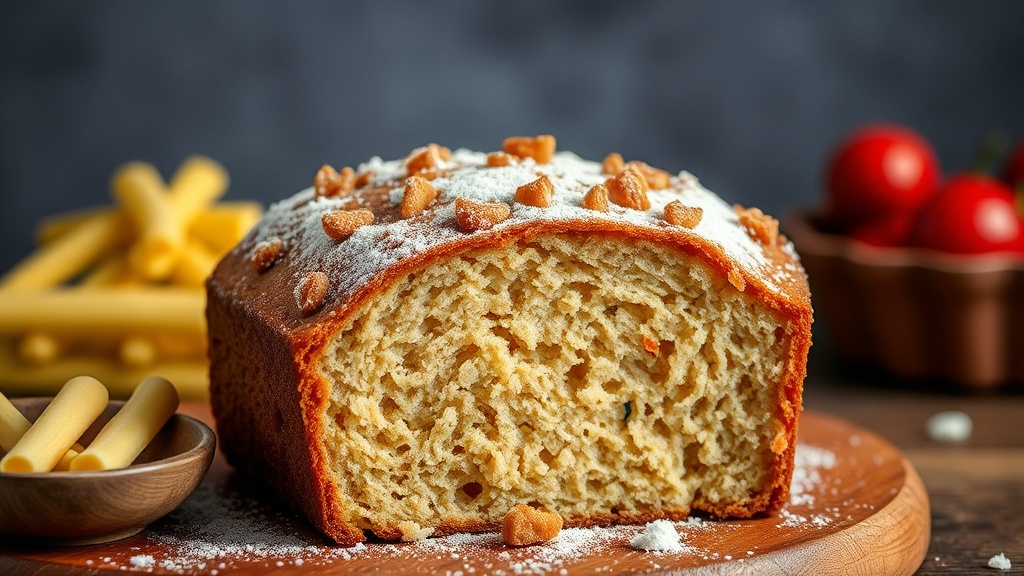
Defeating the Dreaded Gumminess in Gluten-Free Baking and Cooking

Why Does Gluten-Free Food Get Gummy?
Did you know that many commercially available gluten-free flour blends can absorb up to 30% more liquid than traditional wheat flour, yet often yield disappointingly dense or gummy results? This isn't a hydration paradox, but rather a common texture challenge rooted in how starches behave without gluten's elastic support. When we bake or cook gluten-free, we rely heavily on various starches—tapioca, potato, corn—to provide structure. However, these starches, when improperly hydrated or cooked, can over-gelatinize, creating that unappetizing, glue-like texture we all want to avoid. It’s a delicate balance that, once mastered, unlocks truly exceptional gluten-free food.
How Can I Prevent Gummy Batters and Doughs?
The key to avoiding gumminess often lies in meticulous hydration and mindful handling. Firstly, don't assume more liquid is always the answer. While GF flours need ample moisture, adding too much too quickly—or not allowing sufficient rest time—can lead to starches becoming supersaturated and gooey. Instead, consider adding liquids gradually and allowing batters or doughs to rest for at least 15-30 minutes before baking. This resting period allows the starches to fully absorb the moisture, preventing them from drawing out more liquid during cooking and thus reducing the likelihood of a gummy interior. Think of it as letting the ingredients get to know each other properly before they're put to work. Furthermore, resist the urge to overmix; vigorous agitation can break down starches and gums, further contributing to a sticky, dense texture. A gentle hand goes a long way.
What Role Does Temperature Play in Perfecting Gluten-Free Texture?
Temperature control is paramount to transforming those hydrated starches into perfectly textured dishes. Undercooking is a primary culprit for gumminess; if the internal temperature isn't high enough, the starches won't fully gelatinize and set correctly, leaving you with a raw, sticky interior. For baked goods, this often means reaching an internal temperature of 200-210°F (93-99°C). For sauces and gravies, ensuring they reach a proper simmer and thicken completely, allowing starches like cornstarch or tapioca to fully activate, is critical. Cooling also plays a significant role. Many gluten-free items continue to set and firm up as they cool. Cutting into a loaf of bread or a cake too soon can interrupt this process, leading to a softer, gummier crumb than intended. Patience, after all, is a virtue—especially in the gluten-free kitchen. For more on starch gelatinization in gluten-free baking, an excellent resource can be found