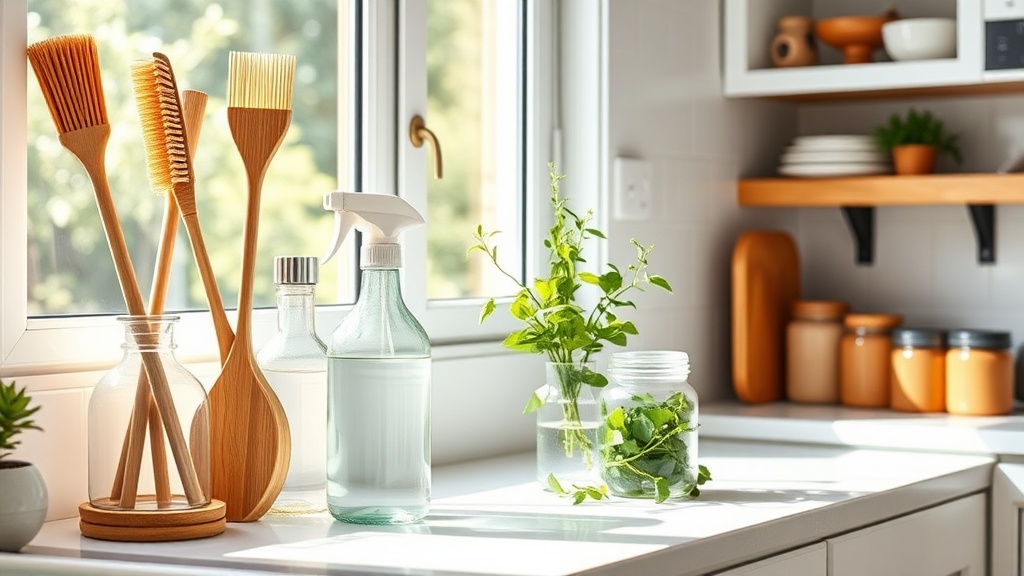
Eco-Friendly Spring Cleaning: Sustainable Swaps for a Greener Home

Ready to ditch the chemical fog and plastic waste that usually accompany spring cleaning? Imagine swapping out that pricey, toxin‑laden spray for a glass bottle of citrus‑vinegar cleaner while your kitchen looks sleek as a boutique boutique. It’s not a fantasy—just a series of smart, budget‑friendly swaps that make your home greener and your conscience lighter.
Spring cleaning season is here, and for many of us it’s the annual excuse to deep‑clean every nook. But why settle for the same old, waste‑heavy routine when you can turn the chore into a sustainability win? Below, I break down the essential swaps that keep your home spotless, your wallet happy, and the planet breathing a sigh of relief.
What are the biggest waste culprits in traditional spring cleaning?
Most of us reach for a fresh bottle of commercial cleaner every few months. Those plastic jugs, aerosol cans, and chemical‑laden formulas add up fast—often ending up in landfills or, worse, in the air we breathe. A 2024 EPA report found that the average household discards over 50 plastic cleaning containers each year.
Which reusable cleaning tools should you add to your kitchen arsenal?
Replace disposable wipes and synthetic sponges with these long‑lasting alternatives:
- Bamboo scrub brushes — Naturally antimicrobial and sturdy enough for pots and pans.
- Microfiber cloths — Wash them with a little vinegar and they’ll last for years.
- Silicone scrub pads — Gentle on non‑stick surfaces but tough on grime.
- Glass spray bottles — Perfect for DIY cleaners; they don’t leach chemicals like cheap plastics.
These tools are cheap (under $15 for a starter set) and can be found at most grocery or home‑goods stores. I keep a cross‑contact safety kit in my pantry that includes a set of bamboo brushes, so I never forget to bring them on the go.
How can you make your own natural DIY cleaners that actually work?
All you need is vinegar, baking soda, citrus peels, and a dash of essential oil. Here’s my go‑to recipe for an all‑purpose spray:
- Combine 1 cup distilled white vinegar and 1 cup water in a glass spray bottle.
- Add the zest of one lemon (or orange) for a fresh scent.
- Drop in 10 drops of lemon or tea‑tree essential oil for antimicrobial boost.
- Shake well before each use.
This mixture cuts grease, dissolves mineral deposits, and leaves no lingering chemicals. For tougher bathroom grime, sprinkle baking soda on the surface first, then spray the vinegar mix—watch the fizzy reaction do the work for you.
For a deeper dive into safe, gluten‑free cleaning chemistry, see my post on the psyllium husk secret. The same science of binding agents applies to natural surfactants in cleaners.
What are clever upcycled storage solutions for a tidy, green home?
Don’t toss those empty glass jars or cardboard boxes. Repurpose them:
- Glass mason jars become chic countertop containers for cotton balls, swabs, or homemade cleaning solutions.
- Old wooden crates can be sanded and painted to hold cleaning supplies, creating a rustic “tool wall.”
- Fabric tote bags (preferably organic cotton) work great for storing reusable cleaning cloths in the laundry room.
Upcycling not only reduces waste but adds a curated, boutique feel to your space—something I learned from Paige Thalia’s New York Times feature on her Oscar‑weekend apartment floor upgrade. The article (see NYT) shows how a few reclaimed pieces can transform a room without breaking the bank.
How do you keep your home safe from hidden chemicals and cross‑contamination?
Even eco‑friendly products can hide problematic ingredients. Look for “fragrance‑free” labels and avoid “natural” claims that still contain petrochemicals. The Consumer Reports green cleaning guide offers a vetted list of truly safe brands.
For Celiac readers, remember that cleaning tools can become cross‑contact vectors. I recommend dedicating a set of bamboo brushes and microfiber cloths exclusively for gluten‑free zones—just as I separate utensils in my “Texture Lab.” This habit mirrors my restaurant‑vetting playbook, but applied to your own kitchen.
Takeaway: Your 5‑Step Eco‑Spring Cleaning Checklist
- Gather reusable tools: bamboo brushes, microfiber cloths, silicone pads, glass bottles.
- Mix a batch of DIY all‑purpose spray (vinegar + water + citrus + essential oil).
- Swap out single‑use wipes for reusable cloths; store them in upcycled jars.
- Label each homemade cleaner with its purpose and date (I use a tiny chalkboard label).
- Do a quick cross‑contact audit—ensure gluten‑free zones have dedicated tools.
Follow this checklist, and you’ll not only reduce plastic waste by up to 70 % (per the EPA) but also create a healthier, more aesthetically pleasing home. Happy cleaning, and remember: a greener kitchen starts with the smallest swaps.
Related Reading
- The Pantry Sabotage: Hidden Gluten in 9 Ingredients You Think Are Safe — Spot sneaky gluten sources that can linger on pantry shelves.
- The Freezer Protocol: How to Keep Gluten‑Free Bread From Turning Into a Crumbly Ice Sponge — Preserve texture and freshness for your GF baked goods.