Gluten-Free Travel Checklist: Stay Safe and Satisfied on the Go

What makes gluten‑free travel feel like a minefield?
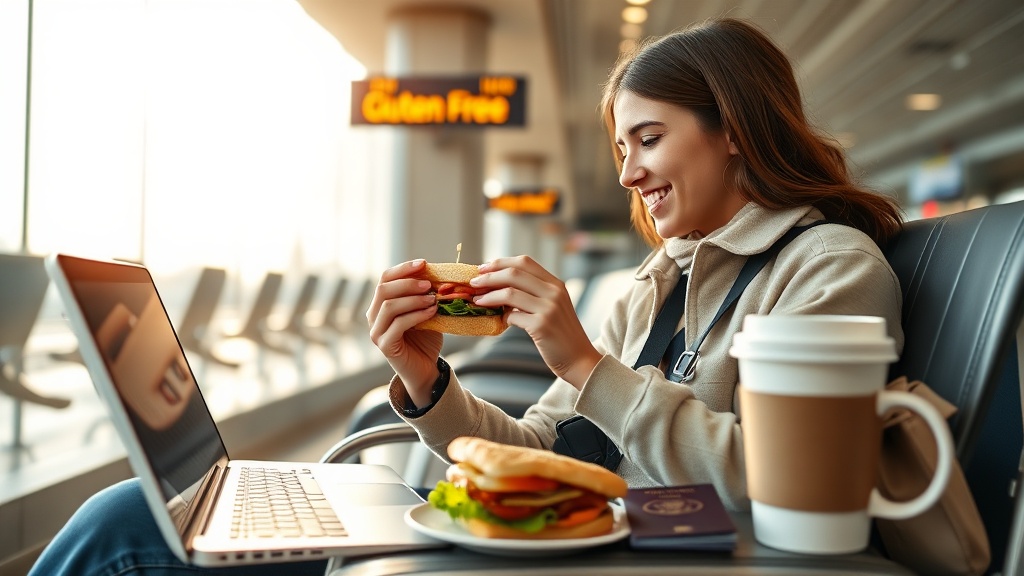
Picture this: you’re waiting at an airport, the aroma of fresh‑baked pastries drifts by, and you wonder if that croissant is secretly a gluten bomb. One misstep can trigger a painful reaction that ruins your entire trip. For anyone with Celiac disease, staying safe while on the move is a constant balancing act.
Which gluten pitfalls should I watch out for on the road?
- Mis‑labeled “gluten‑free” snacks. Many airlines claim a snack is gluten‑free but the ingredient list tells a different story.
- Cross‑contact in shared kitchens. Hotel breakfasts, hostel kitchens, and even airplane galleys can spread gluten via shared utensils or fryers.
- Unclear international packaging. Outside the U.S., labels often omit the bold “Contains Wheat” warning you rely on at home.
How can I read airline and airport menus without guessing?
- Ask the flight attendant directly. Say, “I have Celiac disease – can you confirm this snack is truly gluten‑free?”
- Check the carrier’s website before you fly. Most airlines publish a Gluten‑Free Airport Food Guide with the safest options.
- Carry a printed menu. Save a PDF of the in‑flight menu on your phone and cross‑reference ingredients on the spot.
What travel‑friendly gluten‑free snacks should I pack?
Having a stash of reliable snacks eliminates the need to beg for mystery sandwiches. My top five travel companions are:
- Certified GF rice cakes. Light, sturdy, and clearly labeled with a “Certified Gluten‑Free” seal.
- Single‑serve nut butter packets. No hidden wheat starch and they double as a protein boost.
- Pre‑sliced cheese sticks. Look for brands that guarantee a gluten‑free facility.
- Beef, turkey, or salmon jerky. Verify there’s no soy sauce or malt vinegar in the ingredient list.
- Gluten‑free granola bars. I swear by the Gluten‑Free Protein Bar Review for flavor and texture.
How do I avoid cross‑contact in shared kitchen spaces abroad?
When you’re staying in a hostel or using a hotel’s communal kitchen, treat it like a lab:
- Bring your own utensils. A silicone spatula and a dedicated set of knives keep gluten off your tools.
- Use a portable “no‑gluten” cutting board. It’s cheap, signals seriousness, and prevents crumbs from contaminating other foods.
- Deploy the 30‑second script. My Shared Fryers and Celiac Safety: The 30‑Second Script works wonders when you need to ask staff about shared fryers.
- Sanitize surfaces. A quick wipe with a food‑grade sanitizer reduces lingering crumbs.
What essential items belong in my travel celiac kit?
Think of this as a “first‑aid” pack for your gut:
- Sealed gluten‑free toast or crackers (pre‑packaged).
- Disposable gloves – handy for handling market produce.
- Travel‑size enzyme supplement (if you use one).
- A copy of your celiac diagnosis (some customs officials request proof).
- Contact info for the Shared Kitchen Cross‑Contact Playbook you can reference on the go.
Takeaway: Your Gluten‑Free Travel Checklist
Print or save this quick list before you board:
- Research airline & airport gluten policies (airport guide).
- Pack certified gluten‑free snacks (rice cakes, nut butter, jerky, cheese sticks, protein bars).
- Carry a personal celiac kit (gluten‑free crackers, gloves, diagnosis copy).
- Bring your own utensils and a “no‑gluten” cutting board for shared kitchens.
- Use the 30‑second script for fryer and grill questions.
- Stay vigilant – if something feels off, trust your gut and skip it.
Travel should be about discovery, not digestion drama. With this checklist, you can explore the world without compromising your health.