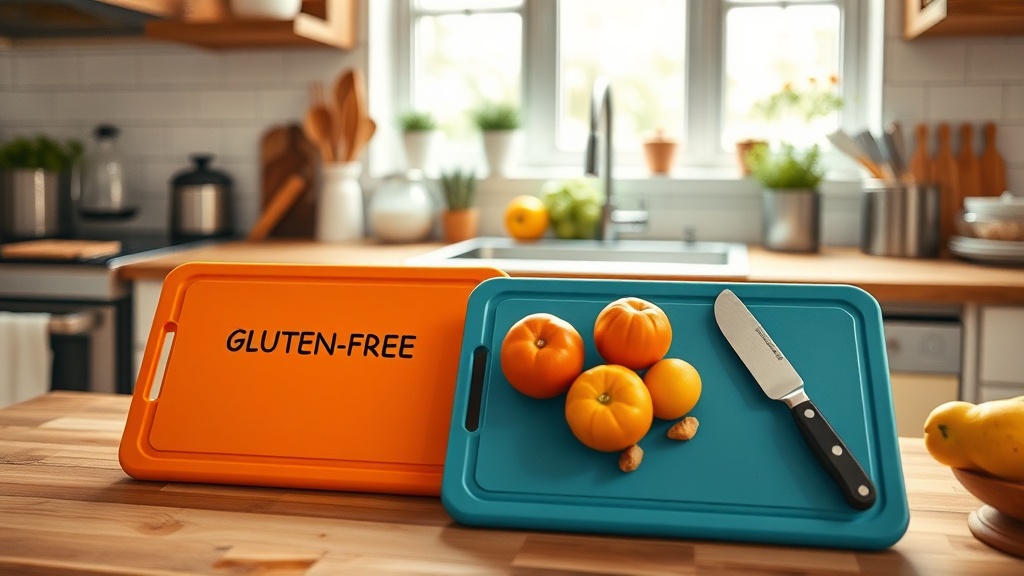
Shared Kitchen Cross-Contact: A Celiac-Safe Playbook

Shared Kitchen Cross-Contact: A Celiac-Safe Playbook
Cross-contact is the reason a perfect GF meal can become a medical problem after one evening in a shared kitchen. You can do everything "right" and still wonder if one crumb slipped through from that last skillet. The good news is this: shared cross-contact risk is often lower than the panic suggests, but it is real enough to be respected.
If you care about living comfortably with celiac disease (or just protecting someone who does), you need a real system, not fear. The science has become clearer in recent years, and the process is simpler than most food anxiety spirals make it.
Why this matters in a shared kitchen?
If you’re cooking in a home with gluten, at family meals, or in a coworking apartment, you’re not just fighting recipes—you’re managing surfaces, timing, and habits. A lot of people treat this as "cleaning anxiety," but that’s not useful. Think of it as risk budgeting: protect the moments in your workflow where gluten transfer is most likely and don’t over-correct in areas that add stress without protection.
The FDA defines gluten-free foods as having less than 20 ppm gluten and no intentional gluten-containing ingredients.
According to FDA's Q&A on the gluten-free rule, that standard exists because scientifically validated testing below that level wasn’t practical when the regulation was written. That same framework is still the anchor for what counts as gluten-free in packaged products.
So the practical question is not whether zero is possible at home. The practical question is: which shared-kitchen behaviors keep your meals below that boundary, and which behaviors silently break it anyway?
Can you actually run a shared kitchen safely with celiac?
Short answer: yes, if your process is disciplined.
A 2024 mini-review in Nutrients analyzed multiple experimental studies on shared utensils, pans, ovens, and fryer systems. It found many shared-use scenarios stayed under the 20 ppm limit, especially when protocols were followed. The same review also identified one repeat offender: large-batch pasta prepared in the same water with gluten-containing pasta.
That distinction is everything.
Not every shared tool creates the same risk profile. The review included cases where shared toasters, knives, pans, and cupware often did not push gluten above 20 ppm under controlled conditions, while shared pasta-water workflows pushed levels higher in some studies.
Which shared-kitchen moments are the biggest risk right now?
Are shared toasters and pans always dangerous?
Usually, no.
The study body found shared toasters and shared kitchen utensils frequently stayed below the critical threshold with practical cleaning and separation habits.
That does not mean “always safe.” It means your focus should stay on the highest-impact steps first.
Is cooking GF and regular pasta together always a problem?
This is the most important one.
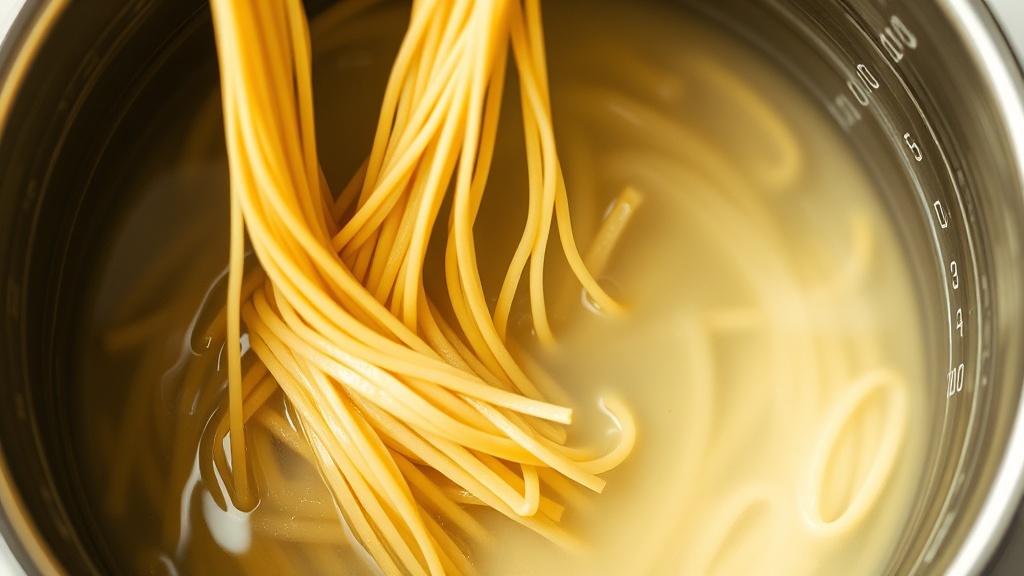
Shared pasta cooking can absolutely increase contamination when portions are large or repeated. One study pattern showed rising gluten levels with repeated batches of traditional and gluten-free pasta in shared water.
When I teach this, I say: the water is where contamination compounds when volume compounds.
Are spreads and toppings low-risk by default?
No.
Some trials showed measurable gluten transfer in spreads after shared handling. You can execute pan work well and still lose a clean meal if spread station habits are weak.
Why does risk feel random at home?
Because risk is cumulative.
One spoon scrape may be fine. Four rushed transfers with the same tool is where the margin evaporates.
What does a real celiac-safe system look like?
If you want it to work, the plan has to be operational, not academic.
1) Segment your equipment by risk, not by ownership
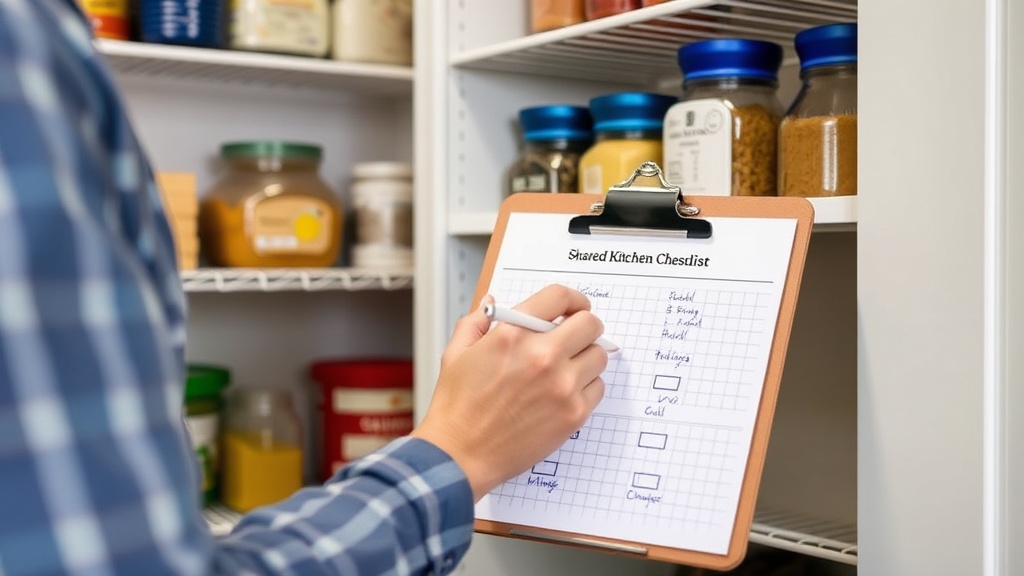
Build a simple risk chart:
- High-risk: shared pasta water, high-volume fryers, and spread stations that touch multiple foods.
- Moderate-risk: knives/boards that get rapid, repeated use.
- Low-risk: serving surfaces with no direct contamination exposure.
Color-code stations. Keep the chart visible. This is where shared kitchens stop feeling like improvisation.
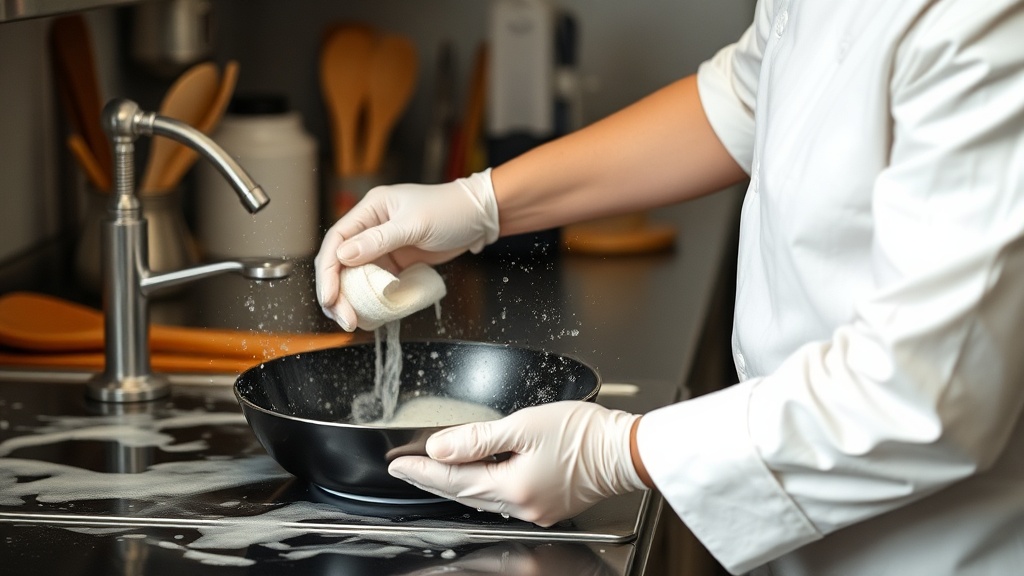
2) Use a minimum cleaning rule after gluten contact
After any direct gluten contact, use this short rule:
- Warm soapy rinse immediately.
- Wash with fresh cloth/towel and dish soap.
- Dry with a clean, dedicated towel or air-dry.
Do this every time.
3) Separate your pasta strategy first
This one gets your highest ROI for the least effort:
- Small batch, occasional serving? Shared pot can be acceptable with careful handling.
- Big batches or repeat batches? Split the pot.
- Any shared batch? Rinse and drain thoroughly before serving GF pasta.
If you remember one line from this post, make it this one: high-volume shared pasta water is where shared kitchens usually fail.
4) Treat spread stations like a contamination amplifier
Use dedicated spread utensils for gluten-free dishes where possible. If not possible, do an immediate clean cycle between GF and gluten-heavy batches.
5) Convert labels into decisions, not anxiety
A lot of people assume "gluten-free" on a package means zero process risk. It doesn’t. The label meets regulatory criteria, but your prep environment can still add risk.
Use FDA’s label definition for gluten-free as your baseline, then run kitchen operations around that baseline.
6) Use a traffic-light kitchen for people with different risk tolerance
I keep three lanes:
- Green: stable, low-contact items.
- Yellow: shared heat-work with explicit wash steps.
- Red: high-traffic cross-contact risk and shared water.
Red is where I simplify by separating prep completely.
What people get wrong (and what actually helps)
You cleaned once and called it done
One wipe is not a workflow.
Fix: wash, rinse, dry, then only then re-enter the gluten-free station.
You treat every shared item as catastrophic
That kills consistency.
Fix: prioritize real evidence risk points (especially shared pasta water) before forbidding half your kitchen.
You trust labels and ignore process
Labels matter. Process prevents damage.
Fix: treat labels as baseline compliance, not full safety proof.
You go from extreme fear to zero discipline
Fear drives inconsistency.
Fix: keep rules short, visible, and repeatable.
How strict should your household be?
For mixed households, I still recommend building around the strictest person.
The review data and regulatory framing suggest that even small contamination can matter over time. The legal threshold remains 20 ppm for gluten-free claims, and ongoing international work on risk-based warning labels continues to clarify what precautionary labels should mean for real life.
The Celiac Disease Foundation’s December 2025 update on FAO/WHO gluten reference discussions is useful context here, but it doesn’t change the fundamental approach: control contact points first.
Start today: a 24-hour implementation plan
- Pick one high-risk behavior to change (usually pasta water).
- Put a one-line risk map on your fridge.
- Use the two-minute cleaning rule after gluten-intensive handling.
- Add one dedicated spread tool.
- Run this sequence for one week and adjust only one variable.
Where to go from here
If this feels like the exact opposite of what you need right now, pair this with a pantry-level review: The Pantry Sabotage: Hidden Gluten in 9 Ingredients You Think Are Safe.
If your concern is eating out too, use the same logic with How to Vet a Restaurant for Celiac Safety (Without Becoming a Hostage Negotiator).
For texture control without losing your focus, this style of structured troubleshooting helps: The Freezer Protocol: How to Keep Gluten-Free Bread From Turning Into Crumbly Ice Sponge.
Takeaway
Cross-contact in a shared kitchen is a systems problem, not a character problem.
Your goal is a kitchen that protects people, minimizes stress, and stays boring enough to run every day.
My strongest rule is simple: control shared pasta water and shared spread stations first. If those are stable, the rest starts to follow.
I keep this simple because I want your next meal to be safe, enjoyable, and repeatable—not a referendum on your attention span.
FAQs
Which shared kitchen task creates the highest contamination risk?
High-volume shared pasta cooking in the same water is the most consistently high-risk pattern in the current peer-reviewed evidence.
Is a shared toaster generally safe?
A shared toaster is often lower risk than people fear when cleaning and batching are controlled, but it should still be handled with consistent protocol.
Can one shared pan still be safe?
A shared pan can be safe with strict sequencing and cleaning.
The key is to avoid repeated “close calls” and keep cleaning checkpoints non-negotiable.