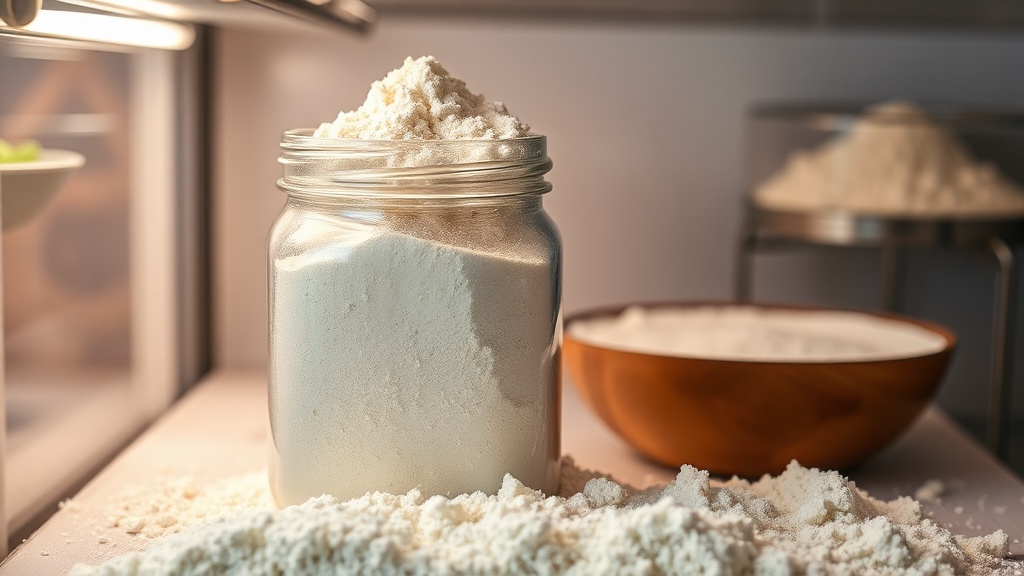
Store Gluten-Free Flour in the Freezer for Maximum Freshness

Quick Tip
Store gluten-free flours, especially nut and whole grain varieties, in airtight containers in the freezer to extend freshness and prevent rancidity caused by their natural oils.
Should You Store Gluten-Free Flour in the Freezer?
Yes—freezer storage significantly extends the shelf life of gluten-free flour and prevents the rancidity that ruins baked goods. Gluten-free flours (think almond, coconut, rice, and oat varieties) contain higher fat content than all-purpose wheat flour. Those natural oils oxidize fast at room temperature. The result? Bitter, off-flavors that sabotage your gluten-free bread before it even hits the oven.
Here's the thing: gluten-free flours aren't cheap. A five-pound bag of Bob's Red Mill almond flour runs $30-plus. Storing it wrong wastes money and ruins recipes. The freezer stops oxidation cold—literally. Your flours stay fresh, flavorful, and ready for baking.
How Long Does Gluten-Free Flour Last in the Freezer?
Properly stored gluten-free flour lasts 12 to 24 months in the freezer versus 3 to 6 months in the pantry. That's a dramatic difference. The catch? You need airtight containers—no flimsy original packaging. Freezer burn wrecks texture just as surely as rancidity wrecks flavor.
Worth noting: whole-grain gluten-free flours (brown rice, sorghum, teff) spoil faster than refined starches. Their bran and germ contain delicate oils. Freeze these immediately after opening. Refined options like tapioca starch and potato starch? More forgiving—but they'll still last longer frozen.
| Flour Type | Pantry Life | Freezer Life | Container |
|---|---|---|---|
| Almond flour | 3-6 months | 12-18 months | Glass jar or vacuum bag |
| Coconut flour | 6-12 months | 18-24 months | Airtight plastic container |
| Brown rice flour | 3 months | 12-18 months | Freezer-safe zip bag |
| Oat flour | 2-3 months | 12 months | Glass or BPA-free plastic |
What's the Best Way to Store Flour in the Freezer?
Use airtight glass jars, vacuum-sealed bags, or heavy-duty freezer containers—never the paper bag from the store. Paper absorbs moisture and lets odors seep in. Your almond flour shouldn't taste like last month's fish sticks.
That said, bring frozen flour to room temperature before baking. Cold flour clumps and affects hydration. Measure what you need, let it sit for 30 minutes, then proceed. For King Arthur Baking fans—this step makes the difference between dense bricks and airy cakes.
Label everything with the purchase date. Even in the freezer, flour quality degrades eventually. The Celiac Disease Foundation recommends marking containers clearly—cross-contamination risks aside, you don't want three-year-old sorghum flour ruining a dinner party.
Small portions help. Divide bulk purchases into one- or two-cup portions before freezing. You'll thaw only what you need. Less waste, better bakes, happier guests.