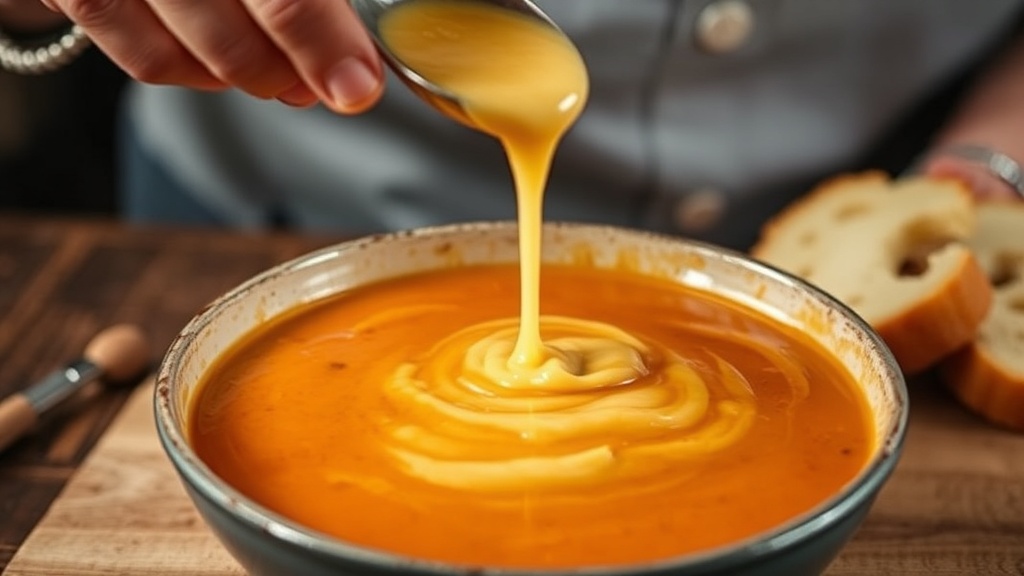
The Cornstarch Slurry Trick for Perfect Gluten-Free Sauces

Quick Tip
Mix one tablespoon of cornstarch with two tablespoons of cold water to create a slurry, then whisk it into hot liquid at the end of cooking for perfectly thickened, gluten-free sauces.
This post covers the simple technique of using a cornstarch slurry to thicken sauces, gravies, and stir-fry coatings without a trace of gluten. For anyone avoiding wheat, this method delivers silky, lump-free results that rival traditional roux-based sauces—no specialty flours required.
What Is a Cornstarch Slurry and Why Does It Work for Gluten-Free Cooking?
A cornstarch slurry is just cornstarch mixed with cold water or broth until smooth, then whisked into a hot liquid to thicken it. The starch granules absorb moisture and swell as they heat, creating a glossy, transparent texture that wheat flour simply can't match. That said, cornstarch contains no gluten proteins whatsoever, which makes it a safe default for Celiac-friendly kitchens.
Unlike all-purpose flour, which can turn sauces opaque and slightly gummy, cornstarch leaves a clean finish. It's the backbone of classic Chinese stir-fry sauces and many Western gravies. For those using Argo Corn Starch or Bob's Red Mill Cornstarch, the results stay consistent batch after batch.
How Do You Make a Cornstarch Slurry Without Lumps?
The secret is cold liquid—never hot. For every tablespoon of cornstarch, use two tablespoons of cold water, stock, or even leftover wine. Stir with an OXO Good Grips flat whisk until the mixture looks like milk. If the liquid is warm, the starch clumps instantly. (Nobody wants little glue balls floating in their pan.)
Here's the thing: the ratio matters less than the temperature. Some cooks prefer a 1:1 mix for extra thickening power, while others go 1:3 for a lighter coating. Worth noting—slurries don't keep. The starch settles fast, so give it a quick stir right before pouring it into the simmering sauce.
Can You Use Cornstarch Slurry in Any Gluten-Free Sauce?
Yes, with a few exceptions. Cornstarch works beautifully in pan sauces, fruit pie fillings, and Asian-style glazes. The catch? It breaks down under prolonged heat or aggressive stirring, so it isn't ideal for long-simmered braises or slow-cooker recipes. For those, tapioca or arrowroot holds up better.
| Thickener | Best For | Texture | Heat Tolerance |
|---|---|---|---|
| Cornstarch | Gravies, stir-fries, pie fillings | Glossy, smooth | Moderate—don't boil hard |
| Tapioca Starch | Soups, slow-cooker dishes | Silky, slightly elastic | High—holds up to long heat |
| Arrowroot Powder | Fruit sauces, acidic pan drippings | Clear, light | Low—breaks if overheated |
When thickening a pan sauce after searing chicken in a Lodge cast-iron skillet, deglaze with white wine or Pacific Foods Organic Chicken Broth, then stream in the slurry while whisking constantly. The sauce will thicken in under a minute. Remove it from the heat as soon as it coats the back of a spoon—overcooking turns that glossy sheen into a dull, thin puddle.
Master this trick, and gluten-free sauce making becomes straightforward, reliable, and genuinely restaurant-worthy.