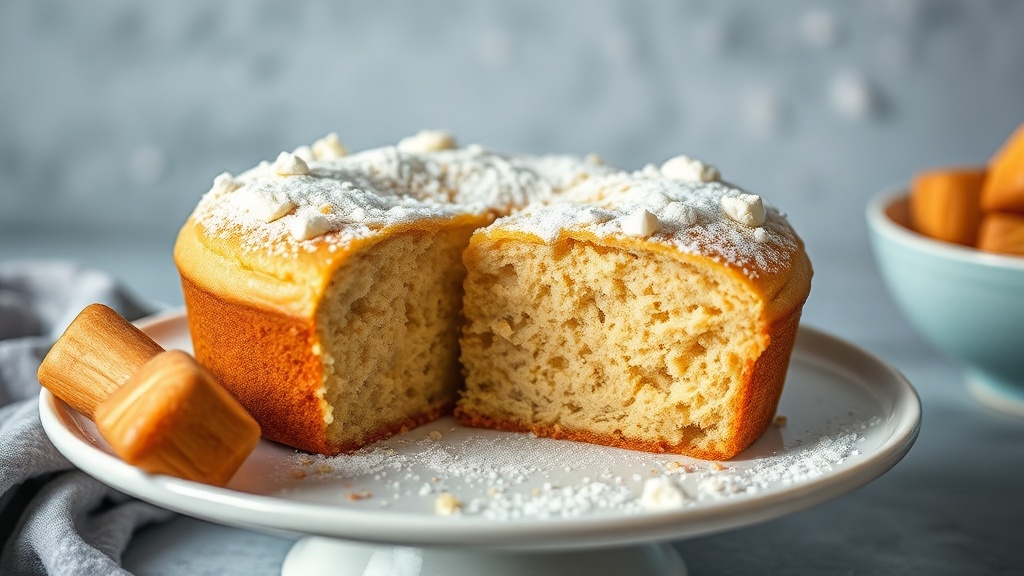
The Secret to Fluffy Gluten-Free Baking Every Time

Quick Tip
Adding xanthan gum to your gluten-free flour blends mimics the binding properties of gluten, creating structure and preventing crumbly textures in baked goods.
Gluten-free baking often yields dense, gummy results that disappoint. This guide reveals the precise techniques and ingredient combinations that produce light, airy breads and pastries—no guesswork required.
Why Does Gluten-Free Baking Turn Out Dense?
The answer lies in structure. Gluten provides the elastic network that traps air and gives baked goods their lift. Without it, batters collapse. Most home bakers simply swap all-purpose flour for a gluten-free blend and wonder why the muffins resemble hockey pucks.
The fix? You need multiple proteins and starches working together. Xanthan gum (or psyllium husk) mimics gluten's binding properties. A blend of rice flour, tapioca starch, and potato starch creates a more complex structure than any single flour can achieve.
What's the Best Flour Blend for Fluffy Results?
King Arthur Measure for Measure and Bob's Red Mill 1-to-1 Baking Flour consistently outperform store-brand alternatives in side-by-side testing. Both contain xanthan gum pre-mixed—saving you a step.
Here's how the leading options compare:
| Brand | Texture | Best For | Price (per lb) |
|---|---|---|---|
| King Arthur Measure for Measure | Tender, fine crumb | Cakes, cookies | $6.99 |
| Bob's Red Mill 1-to-1 | Sturdy, versatile | Bread, pizza | $5.49 |
| Cup4Cup Multipurpose | Light, slightly sweet | Pastries, pie | $9.99 |
| Krusteaz Gluten Free | Hearty, dense | Quick breads | $4.29 |
That said, even premium blends fail without proper technique. Room temperature ingredients emulsify better than cold ones. Over-mixing develops starch gumminess—stop as soon as the batter comes together.
Does Adding Extra Leavening Actually Help?
Yes, but with limits. Gluten-free batters need 25% more baking powder than conventional recipes. The Bob's Red Mill test kitchen recommends this adjustment across all gluten-free conversions.
Here's the thing: baking soda and powder activate immediately upon contact with liquid. For maximum lift, pop batters straight into a preheated oven. Don't let them sit on the counter while you check Instagram.
Some bakers swear by adding sparkling water or club soda to pancake and waffle batters. The carbon dioxide provides extra lift during those critical first minutes in the pan.
Whipped egg whites folded into batters add air pockets that expand in the oven. This technique transforms dense chocolate cake into something worthy of a dinner party. For egg-free baking, aquafaba (chickpea liquid) whips to similar volume—about three tablespoons per egg white replaced.
The catch? Gluten-free goods dry out faster. The Celiac Disease Foundation recommends storing bread in the freezer, not the refrigerator, to maintain moisture. A light brush of melted butter or oil on the surface before baking creates a softer crust.
Finally, patience matters. Gluten-free breads often taste better on day two as the starches fully hydrate. Wrap tightly and wait—if willpower allows.
Ready to bake? Start with a tested recipe from Gluten Free on a Shoestring rather than converting family favorites. Master the basics. Then experiment.