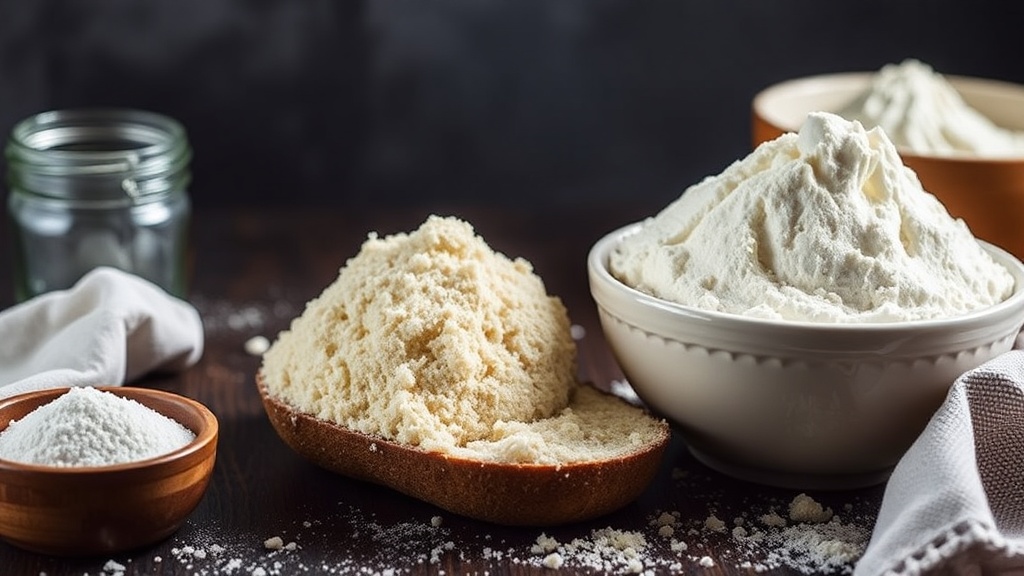
The Ultimate Guide to Gluten-Free Flour Blends for Perfect Baking

Gluten-free flour blends can make or break a recipe—and understanding how they work separates mediocre results from bakery-worthy success. This guide breaks down the best blends for different baking applications, explains why some flours behave differently than wheat, and provides practical substitutions for every skill level. Whether you're new to gluten-free baking or refining a family recipe, you'll learn exactly which blends produce airy cakes, chewy cookies, and tender pie crusts.
What Is the Best Gluten-Free Flour Blend for Baking Bread?
The best gluten-free flour blend for bread is one with a high protein content and xanthan gum included—King Arthur Measure for Measure Flour and Bob's Red Mill 1-to-1 Gluten Free Baking Flour consistently produce the best rise and texture. Bread demands structure. Without gluten—the protein network that traps gas during fermentation—you need substitutes that mimic that elasticity and strength.
Look for blends containing rice flour, tapioca starch, and potato starch as the base. The magic ingredient? Xanthan gum (or psyllium husk powder). This binder acts as the glue holding everything together—literally. Without it, your bread collapses into a crumbly, dense brick that disappoints at every slice.
Here's the thing—high-hydration doughs work better with certain blends. If you're attempting artisan-style loaves, blends with brown rice flour (rather than white) add subtle nuttiness and better browning. King Arthur Baking Company provides detailed ratios and hydration tips for their specific blend formulations.
The catch? Not all bread is created equal. Sandwich bread requires different characteristics than crusty baguettes. For soft, sliceable sandwich loaves, stick to tried-and-true blends designed specifically for yeast baking. For rustic boules with crackling crusts, consider adding 10-15% sorghum flour or millet flour to your blend for extra flavor complexity.
Don't forget freshness—gf flours contain more fat than wheat flour and turn rancid faster. Store opened bags in airtight containers, preferably refrigerated, and use within three months. Your bread (and your taste buds) will thank you.
Can You Substitute Gluten-Free Flour for Regular Flour in Recipes?
Yes, you can substitute gluten-free flour for regular flour in most recipes—but only when using a 1-to-1 blend designed for direct substitution and accounting for increased moisture absorption and binding requirements. Simply swapping cup-for-cup without understanding the differences leads to dry, gritty, or gummy disasters.
Not all blends are true 1-to-1 replacements. Some require recipe modifications—adding eggs, increasing liquid, or extending mixing time. Understanding your specific blend's behavior saves countless failed batches. Worth noting: recipes with multiple chemical leaveners (baking powder + baking soda) adapt better than those relying solely on gluten development.
| Blend Type | Best For | Adjustment Needed |
|---|---|---|
| King Arthur Measure for Measure | All-purpose baking | None—true 1:1 swap |
| Bob's Red Mill 1-to-1 | Cookies, cakes, pancakes | Add 1-2 tbsp liquid per cup |
| King Arthur Gluten-Free Bread Flour | Yeast breads only | Use bread-specific recipes |
| Cup4Cup Multipurpose Flour | Pastry, sauces, coating | Contains dairy—adjust recipes |
| Anthony's Brown Rice Flour Blend | Homemade blend base | Must add starches and gum |
That said, some recipes resist substitution. Delicate French pastries, laminated doughs (croissants, puff pastry), and traditional pasta require specialized techniques. You can't simply dump gf flour into a pasta recipe and expect al dente results—it takes different hydration, resting times, and often additional binders.
Temperature matters more with gf baking, too. Preheating your oven an extra 25°F higher than the recipe states helps set the structure before the starches dry out. Then reduce to the target temperature. This technique—borrowed from professional gf bakeries—prevents that dense, undercooked center that plagues so many home attempts.
Understanding Starch Ratios
Every successful blend balances three components: whole grain flours, refined starches, and binders. The ratio determines texture. More starch equals lighter, more delicate results—ideal for cakes and pastries. More whole grain flour creates denser, more nutritious baked goods with pronounced flavors.
Most commercial blends use roughly 40% brown or white rice flour, 30% tapioca starch, 20% potato starch, and 10% additional ingredients (xanthan gum, sometimes milk powder for browning). Cup4Cup breaks this mold with cornstarch and sweet rice flour plus dry milk powder—which explains its exceptional performance in pastry but unsuitability for dairy-free baking.
Why Does My Gluten-Free Baking Turn Out Gummy or Crumbly?
Gluten-free baking turns gummy from too much xanthan gum, underbaking, or excessive moisture; it turns crumbly from too little binder, overbaking, or insufficient hydration—finding the sweet spot requires understanding your specific flour blend's absorption rate. These texture problems frustrate every gf baker at some point.
Gummy textures usually indicate one of three problems. First, you may have added too much xanthan gum—even an extra quarter teaspoon creates rubbery, unpleasant results. Second, underbaking leaves excess moisture trapped in the starch matrix. Gluten-free goods often need 5-10 minutes longer than wheat-based recipes. Third, some flours (especially coconut flour) absorb liquid differently than expected and require recipe adjustments.
Crumbly results scream "not enough binder." Without gluten's elasticity, starches don't hold together. If your cookies disintegrate when lifted or your cake slices fall apart, increase your xanthan gum slightly—or switch to a blend with psyllium husk, which creates more flexible, less brittle results. Celiac Disease Foundation offers extensive troubleshooting guides for common texture issues.
Here's the thing about resting batter—gf flours benefit enormously from hydration time. Letting your cake or pancake batter sit for 15-30 minutes before baking allows the starches to fully absorb liquid. The batter thickens, the texture improves, and you'll notice fewer gritty pockets in the final product. Professional gf bakeries often rest doughs overnight for optimal results.
Mixing technique matters, too. Unlike wheat dough, which you handle minimally to prevent toughness, gf batters need thorough mixing to activate the binders properly. That 30-second stir? Try two minutes of vigorous mixing instead. The starches and gums need mechanical action to develop the structure wheat gets from gluten development.
The Role of Individual Flours in Blends
Understanding component flours helps troubleshoot problems. Sorghum flour adds protein and a wheat-like flavor but creates denser textures. Millet flour contributes light sweetness and golden color. Oat flour (certified gluten-free, naturally) provides moisture retention and tenderness—excellent in cookies and quick breads.
Nut flours like almond or coconut flour behave completely differently than grain-based blends. They contain fats and proteins that alter hydration requirements significantly. When recipes call specifically for almond flour, don't substitute a rice-based blend and expect identical results. The chemistry differs too fundamentally.
Teff flour—an ancient grain from Ethiopia—adds rich, molasses-like flavor and impressive nutrition. Small amounts (10-20% of total flour) in chocolate cakes or gingerbread create remarkable depth. Similarly, buckwheat flour (despite the name, it's gluten-free) brings earthy, complex flavor to pancakes and soba-style noodles.
Which Gluten-Free Flour Blend Works Best for Cakes and Pastry?
The best gluten-free flour blends for cakes and pastry contain lower protein levels, higher starch ratios, and often include superfine rice flour for tender, delicate results—Cup4Cup Multipurpose Flour and homemade blends with sweet rice flour excel in these applications. Lightness is the goal here.
Cakes require structure without toughness. Too much xanthan gum creates rubbery layers that resist the fork; too little produces crumbly, falling-apart disasters. The sweet spot? Around 1/4 to 1/2 teaspoon xanthan gum per cup of flour for cakes. For pastry, slightly less—about 1/4 teaspoon—prevents that chewy, overbound texture that ruins a good pie crust.
Sweet rice flour (mochiko) deserves special mention. Despite its name, it's not sweet—it simply becomes sticky when cooked. This characteristic makes it exceptional for pastry, creating flakiness that mimics wheat-based doughs remarkably well. Many professional gf bakers keep sweet rice flour separate from their main blends, adding it specifically to pastry recipes.
That said, technique trumps ingredients for perfect pastry. Keep everything cold—flour, butter, even your mixing bowl. Work quickly to prevent the fat from softening before baking. And don't skip the resting period; gf pastry dough benefits enormously from 30 minutes in the refrigerator before rolling. The starches hydrate, the xanthan gum relaxes, and the dough becomes infinitely more manageable.
For layer cakes with professional presentation, consider adding 1-2 tablespoons of mayonnaise or sour cream to the batter. The acidity tenderizes the crumb while the fat adds moisture—tricks borrowed from traditional Southern baking that translate beautifully to gf formulas. Bob's Red Mill recipe collection includes several well-tested cake formulas using these techniques.
Creating Custom Blends for Specific Needs
Commercial blends work well, but custom formulations solve specific problems. Need dairy-free baking? Avoid Cup4Cup (contains milk powder) and opt for King Arthur or homemade blends. Baking for someone with additional grain allergies? Look to almond flour-based blends or cassava flour formulations.
Cassava flour—made from yuca root—has gained popularity for its neutral flavor and impressive binding properties without gums. Otto's Naturals Cassava Flour performs remarkably well in tortillas, flatbreads, and certain cookies. It behaves more like wheat flour than rice-based blends, though it requires different hydration levels.
Tiger nut flour (actually a tuber, not a nut) offers another grain-free alternative with natural sweetness and excellent fiber content. It pairs beautifully with chocolate and spices, creating moist, tender baked goods with a slightly nutty undertone. Blend it 50/50 with almond flour for exceptional brownies or spice cakes.
The world of gluten-free flour extends far beyond the single bag on the supermarket shelf. Understanding how different components behave—why tapioca adds chew, why potato starch creates tenderness, why xanthan gum binds but psyllium flexes—transforms you from a recipe-follower into a confident baker. Experiment. Take notes. Your perfect blend awaits.