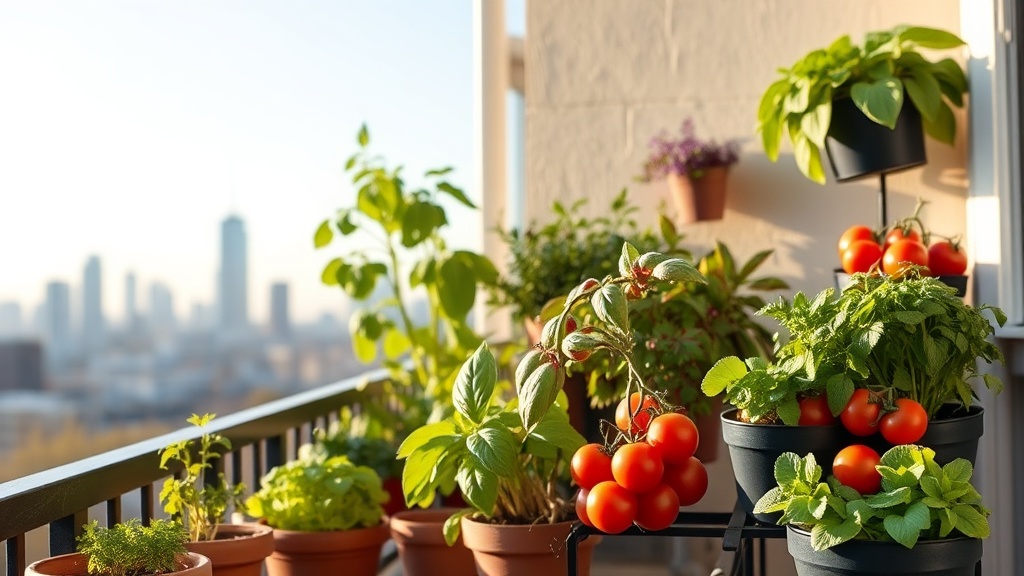
Urban Balcony Gardening: Beginner’s Guide to Herbs & Veggies

Ever wondered how to turn a cramped balcony into a thriving mini-farm?
You're not alone. Urban gardening searches have jumped 30% since early 2026 according to BBC News. If you live in an apartment, that tiny outdoor nook might be the most sustainable, mood‑boosting real‑estate you own.
Why does balcony gardening matter for city dwellers?
Beyond the obvious fresh‑produce perk, growing your own herbs and veggies slashes food miles, cuts grocery bills, and—scientifically proven—lowers stress hormones. A study from the University of Michigan found that even a few potted plants can improve mood and cognitive function.
What sunlight reality should I expect on a balcony?
Most city balconies get 4–6 hours of direct sun daily, often split between morning and late afternoon. If you’re lucky enough to catch the full sun, great—if not, you can still succeed with shade‑tolerant varieties.
Which herbs thrive in low‑light conditions?
- Mint – Loves moisture, tolerates shade, and spreads quickly (keep it in a separate pot to avoid takeover).
- Parsley – Can handle 3‑4 hours of sun and adds a fresh punch to any dish.
- Chives – Grows well in partial shade and provides a subtle onion note.
- Cilantro – Prefers cooler, less intense light; perfect for spring.
Which vegetables can I actually harvest on a balcony?
Think vertically and compactly. Here are the top performers:
- Cherry tomatoes – Use a cage or trellis; they love the sun but can tolerate a few cloudy hours.
- Lettuce & mixed greens – Fast‑growing, shallow‑rooted, and perfect for shade‑partial spots.
- Radishes – Ready to eat in 3‑4 weeks, even with limited light.
- Peppers (mini varieties) – Compact plants that love the heat of a sunny afternoon.
How do I maximize space on a tiny balcony?
- Go vertical. Install wall‑mounted shelves, hanging baskets, or a small trellis. A 4‑ft railing can hold three tiers of pots.
- Choose compact containers. Opt for 6‑8‑inch pots for herbs and 10‑inch deep containers for shallow‑rooted veggies.
- Use multi‑plant containers. A single 12‑inch pot can host a “herb trio” (basil, thyme, oregano) side‑by‑side.
- Employ lightweight soil mixes. A blend of peat, perlite, and coconut coir reduces weight, making it easier to move pots for seasonal sunlight changes.
- Recycle balcony railings. Turn a railing into a planter shelf with sturdy brackets—instant storage without sacrificing floor space.
What watering routine keeps balcony plants happy?
Balcony pots dry out faster than ground beds. The "finger test" works: stick your index finger 1‑2 cm into the soil; if it feels dry, water until water drains out the bottom. For consistency, use a self‑watering saucer or a drip‑irrigation kit you can hook up to a timer.
Do I need special soil or fertilizers?
Yes—choose a high‑quality, well‑draining potting mix. Add a slow‑release organic fertilizer (e.g., Espoma Organic All‑Purpose) at planting time, then top‑up every 4‑6 weeks. Avoid garden soil—its density can suffocate roots in containers.
How can I keep my balcony garden safe for gluten‑free cooking?
Cross‑contact isn’t just a kitchen issue. If you share a balcony with a neighbor who grows wheat‑based vines, keep a physical barrier (a small lattice) and rinse produce thoroughly before using it in your GF meals. Remember, cross‑contact is a real risk even outside the kitchen.
What are the biggest beginner pitfalls (and how to avoid them)?
- Over‑watering. Too much water drowns roots, especially in shallow pots. Stick to the finger test.
- Neglecting wind. Balcony gusts can dry soil quickly and snap delicate stems. Use windbreaks like a lightweight screen.
- Choosing the wrong varieties. Pick dwarf or “patio” cultivars; regular garden varieties become leggy and top‑heavy.
- Ignoring soil nutrition. Potting mix loses nutrients fast. Re‑pot annually with fresh mix.
What’s the next step after you’ve harvested?
Turn your bounty into gluten‑free culinary gold. Try a sourdough starter infused with fresh herbs, or a BBQ rub that uses home‑grown herbs for that extra punch.
Quick‑start checklist for a thriving balcony garden
- Assess sunlight: note morning vs. afternoon exposure.
- Install vertical planters or shelves.
- Choose compact, dwarf varieties of herbs and veggies.
- Fill pots with lightweight, well‑draining potting mix.
- Water using the finger test; set up a drip timer if possible.
- Apply slow‑release organic fertilizer.
- Monitor for wind, pests, and cross‑contact.
- Harvest, enjoy, and reinvest into the next planting cycle.
Balcony gardening isn’t a luxury; it’s a practical, science‑backed way to reclaim fresh flavor in the city. Grab a pot, get your soil mix, and let the green revolution begin—right on your railing.
FAQs
- What herbs grow best in low‑light balconies? Mint, parsley, chives, and cilantro thrive with 3‑4 hours of indirect light.
- How much sunlight do tomatoes need? Aim for at least 5‑6 hours of direct sun; if you have less, choose cherry varieties and use reflective surfaces.
- Can I grow gluten‑free vegetables on a balcony? Absolutely—all vegetables are naturally gluten‑free. Just watch for cross‑contact with neighbor’s plants.
- What’s a good soil mix for containers? A 1:1:1 blend of peat moss, perlite, and coconut coir provides aeration and moisture retention.
Ready to get your hands dirty? The city skyline is waiting for a splash of green.