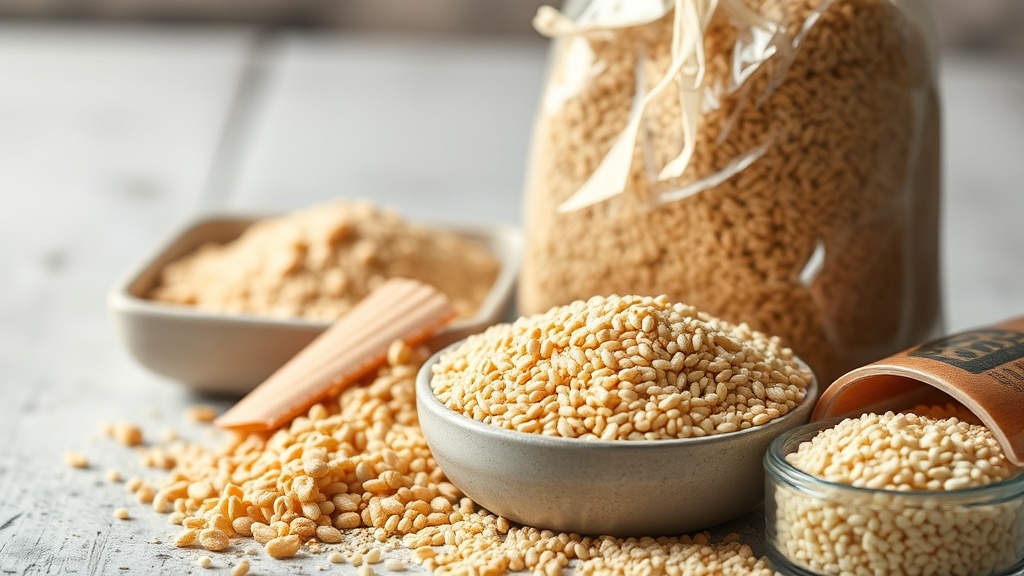
Which Gluten-Free Grains Deserve Space in Your Pantry — And Which Ones Don't

The Aisle of Broken Promises
Walk into any well-stocked grocery store and you'll face a wall of gluten-free grains promising everything from "ancient wisdom" to "superfood status." Sorghum, teff, millet, amaranth, quinoa — the names sound exotic, healthy, almost mystical. You buy a five-pound bag of something you've never cooked, follow the package instructions, and end up with a gummy mess that tastes like wet cardboard. I've been there. After fifteen years in professional kitchens and eight years handling Celiac disease, I've learned that not all gluten-free grains are worth your money — or your counter space. This guide cuts through the marketing hype and tells you which grains actually perform in real recipes, which ones are pantry staples, and which ones you should leave on the shelf.
What Makes a Gluten-Free Grain Worth Buying?
Before we dive into specific grains, let's establish criteria. A grain earns its place based on three factors: versatility (can it work across multiple dishes?), texture (does it cook to something pleasant, or does it require major manipulation?), and flavor (does it taste good on its own, or does it need heavy masking?). Some grains — looking at you, quinoa — have become so ubiquitous that people forget they have distinct personalities and proper cooking methods. Others, like teff, remain underappreciated because home cooks don't understand their strengths.
I evaluate grains the same way I evaluate any ingredient: by cooking them repeatedly in different applications. A grain that only works in one specific recipe isn't a pantry staple — it's a specialty item. Your pantry should contain workhorses, not one-trick ponies. That said, some specialty grains deserve space for specific purposes, and I'll note those accordingly.
Quinoa: The Overachiever That Needs Boundaries
Quinoa gets a bad rap — often because people cook it wrong. Rinse it thoroughly (that bitter saponin coating isn't subtle), use a 1:1.75 ratio of grain to liquid, and cook it covered for exactly fifteen minutes. Remove from heat, let it steam for five minutes, then fluff with a fork. Done correctly, quinoa delivers a pleasant nuttiness and a texture that works in salads, pilafs, and even breakfast porridges. The protein content is legitimate — roughly 8 grams per cooked cup — making it valuable for gluten-free diets that sometimes lack adequate protein.
But here's where quinoa becomes problematic: people try to substitute it for rice in every application. Quinoa doesn't work in risotto (it won't release starch), it makes mediocre fried "rice" (the grains are too small and don't crisp properly), and it's terrible in soups (it turns to mush after about twenty minutes of simmering). Use quinoa where it shines — cold salads, grain bowls, and as a base for saucy proteins — and keep rice for the dishes that need it.
Is Sorghum the Most Versatile Gluten-Free Grain You've Overlooked?
Sorghum doesn't get enough attention. This ancient African grain cooks up with a chewy texture remarkably similar to wheat berries, and it holds its structure through long cooking times. I've used sorghum in pilafs, added it to soups that simmer for hours, and even popped it like popcorn (though the kernels are smaller and the process requires more attention). The neutral flavor profile means it plays well with bold seasonings — think cumin, smoked paprika, and fresh herbs.
For celiac sufferers specifically, sorghum offers nutritional benefits beyond basic carbohydrates. It's high in fiber, contains significant antioxidants, and has a lower glycemic index than white rice. In my kitchen, sorghum has become the go-to grain for hearty winter salads and as a substitute for barley in soup recipes. The cooking time is longer — roughly 45-50 minutes — so plan ahead. Soak it overnight if you want to reduce cooking time by about ten minutes.
One warning: sorghum requires thorough chewing. The outer bran layer is tougher than quinoa or rice, and undercooked sorghum is unpleasantly firm. Cook it until you can easily bite through a grain without resistance.
Teff: Tiny Grain, Big Personality
If sorghum is the reliable workhorse, teff is the specialty ingredient with star power. These tiny grains (about the size of poppy seeds) are the foundation of Ethiopian injera, and they bring a distinct molasses-like flavor and natural slight sweetness to dishes. Teff cooks quickly — about fifteen to twenty minutes — and creates a porridge-like consistency that's perfect for breakfast applications. I've used teff in breakfast bowls with roasted apples and cinnamon, and the results rival any oatmeal.
However, teff's small size limits its versatility. It won't work as a rice substitute in most dishes, and it turns mushy in soups. Where teff excels is in porridges, as an addition to baked goods (it adds moisture and a subtle sweetness), and in homemade injera if you're ambitious enough to attempt fermented flatbreads. The nutritional profile is impressive — high in calcium, iron, and resistant starch — making it worth the specialty purchase even if you only use it occasionally.
Millet: The Misunderstood Grain That Deserves Better
Millet suffers from identity confusion. Most Americans know it as birdseed, but this small-seeded grass family member has fed human populations across Asia and Africa for millennia. When toasted before cooking, millet develops a lovely corn-like sweetness and a fluffy texture that works beautifully in pilafs and as a base for vegetable-heavy dishes. Untoasted, it cooks to a softer, more porridge-like consistency.
The key to good millet is the toasting step — don't skip it. Dry-toast the grains in your pot for three to four minutes until they smell nutty and slightly popcorn-like, then add your liquid. This step transforms millet from bland to genuinely delicious. Use a 1:3 grain-to-liquid ratio and simmer for about twenty minutes until the liquid absorbs. Fluff and let stand for five minutes.
Millet's limitations include a tendency to clump when overcooked and a relatively mild flavor that needs aggressive seasoning. It won't carry a dish on its own — it needs bold partners. But when treated properly, millet offers an affordable, nutritious alternative to rice that's particularly good in summer salads and as a base for Mediterranean-style vegetable preparations.
Amaranth: The High-Maintenance Overachiever
Amaranth is technically a seed, but we cook it like a grain, so it belongs in this conversation. The protein content is exceptional — nearly 9 grams per cooked cup — and it contains lysine, an amino acid often lacking in grain-based diets. The texture, however, is challenging. Amaranth cooks to a sticky, porridge-like consistency that doesn't flake or separate. Some people love this; others find it off-putting.
I use amaranth primarily in breakfast applications and as a thickener in soups. A quarter cup of amaranth added to a vegetable soup creates body and nutrition without gluten. Popped amaranth (like miniature popcorn) makes an excellent salad topping or addition to homemade granola. But as a rice substitute? Forget it. Amaranth won't work in pilafs, fried rice, or any application requiring distinct grains.
Which Grains Should Stay at the Store?
Not every gluten-free grain deserves your money. Buckwheat groats (kasha) have a place in specific Eastern European dishes, but their strong, earthy flavor limits versatility. Wild rice isn't actually rice — it's a grass — and while delicious, the cooking time (45-60 minutes) and price point make it an occasional treat rather than a staple. And those pre-packaged "ancient grain blends"? Avoid them. They combine grains with different cooking times, guaranteeing that some will be mushy while others remain undercooked.
Similarly, be wary of "gluten-free oats" marketed as grain alternatives. They're still oats — they behave like oats, taste like oats, and have the same textural limitations. They're fine for oatmeal and baking, but they won't substitute for rice or quinoa in savory applications. Marketing departments love to blur these lines.
Storage and Buying Tips
Buy gluten-free grains from stores with high turnover — these products sit on shelves longer than wheat products and can go rancid. Whole grains contain oils that oxidize over time. Store them in airtight containers in cool, dark places. Quinoa and millet keep for about a year; teff and amaranth closer to eight months. Sorghum lasts the longest — up to two years when stored properly.
If you're new to gluten-free grains, start with quinoa and sorghum. Master those before branching into teff and amaranth. Buy small quantities initially — a cup or two — and experiment. Your palate and cooking style will determine which grains become staples and which remain occasional purchases. There's no universal "best" grain — there's only the best grain for your specific needs.
For additional guidance on gluten-free nutrition and safe grain handling, consult resources like Celiac Disease Foundation and Beyond Celiac. These organizations provide evidence-based information about safe gluten-free eating and cross-contamination prevention that complements practical cooking knowledge.
The best gluten-free cooks aren't the ones with the most exotic ingredients — they're the ones who understand what each ingredient actually does.
Putting It All Together
Building a functional gluten-free pantry means being selective. You don't need twelve different grains — you need three or four that you understand deeply. Start with quinoa for versatility, sorghum for hearty applications, and one specialty grain that matches your cooking style. Maybe that's teff for breakfast lovers, millet for Mediterranean cooking enthusiasts, or amaranth for soup aficionados. Learn those grains intimately. Understand their cooking ratios, their flavor profiles, their limitations, and their strengths.
The gluten-free aisle will keep expanding. New "superfood" grains will emerge with marketing budgets that dwarf their culinary value. Resist the urge to collect them all. A well-stocked pantry isn't measured by variety — it's measured by how often you actually use what's in it. Choose wisely, cook thoughtfully, and stop wasting money on grains that don't deliver.