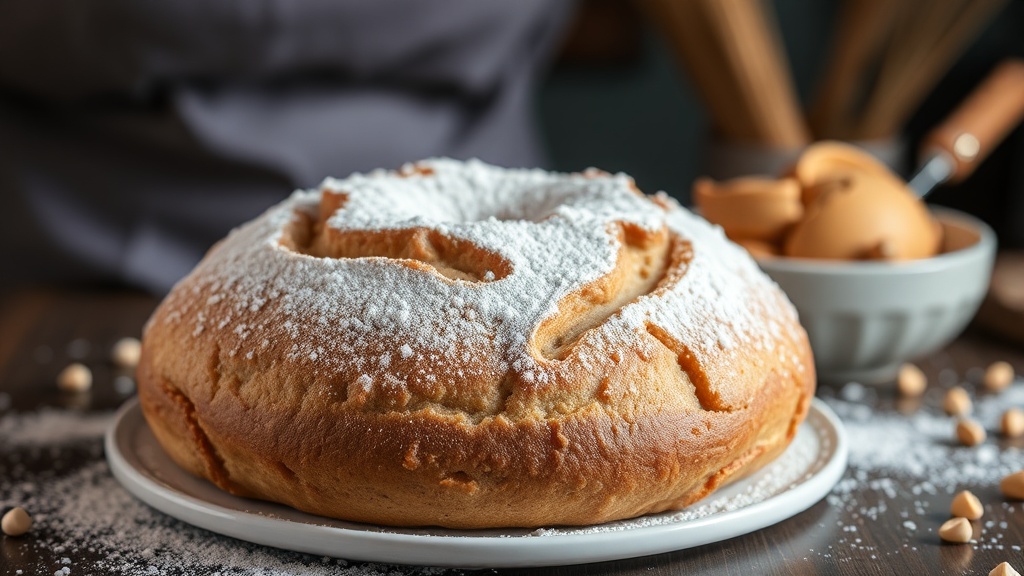
Why Your Gluten-Free Baking Keeps Failing: Techniques That Actually Work in Real Kitchens

Most home bakers approach gluten-free baking as a simple substitution game—swap wheat flour for a blend and hope for the best. That assumption is exactly why so many gluten-free cakes sink, cookies spread into puddles, and breads resemble doorstops rather than food. Gluten isn't just an ingredient you remove; it's the architectural framework that holds baked goods together. Without it, you're not adapting a recipe—you're rebuilding it from the foundation up. The techniques below aren't clever tricks; they're the difference between something you tolerate eating and something you actually enjoy.
Why Does Gluten-Free Dough Feel So Different to Work With?
Gluten development creates that elastic, stretchy quality in traditional dough—the windowpane test where you can stretch a piece until it's translucent without tearing. When you remove gluten, you're working with a batter that behaves more like wet sand than bread dough. (Don't panic—that's completely normal.) The hydration ratios in gluten-free baking run significantly higher because alternative flours absorb liquid through different mechanisms than wheat.
Rice flour drinks up moisture like a sponge but releases it during baking, while nut flours contain oils that repel water and create dense, heavy textures. Starches—tapioca, potato, corn—add lightness but can create that unfortunate gummy quality when overused. You'll need to embrace stickier, looser batters rather than fighting them. What looks like soup before baking often sets into proper crumb structure in the oven's heat.
Professional kitchens use scales, not cups, because precision matters exponentially more when you're balancing these finicky ingredients. A packed cup of almond flour versus a sifted one can differ by 30 grams—enough to destroy a cake's structure. Digital scales are non-negotiable equipment for consistent results. The Celiac Disease Foundation emphasizes that understanding these ingredient behaviors is fundamental to safe, successful gluten-free cooking.
What's the Best Way to Add Structure Without Gluten?
Gluten provides elasticity and structure through interconnected protein networks; without it, you need mechanical substitutes that work differently. Xanthan gum and guar gum are the usual suspects, but they're not magic powders that fix everything. Too much creates a gummy, almost slimy texture—that unpleasant mouthfeel that makes people swear off gluten-free baking entirely after one bad cookie.
The professional approach uses gums sparingly—typically 1/4 to 1/2 teaspoon per cup of flour—and combines them with other structure-builders. Psyllium husk (yes, the fiber supplement) creates a gel network when hydrated that mimics gluten's stretch remarkably well. Use it at about 5-10% of your flour weight. Ground chia or flaxseed mixed with water forms a binding gel that adds moisture retention alongside structure. Egg whites—whipped to soft peaks and folded in—introduce air and stability without the heaviness of whole eggs.
For vegan bakes, aquafaba (the liquid from canned chickpeas) behaves remarkably like egg whites when whipped, creating stable foams that lighten batter. Some advanced recipes use gelatin or agar-agar to create thermal gels that set when heated and hold shape when cooled. The key is combining multiple weak structure-builders rather than relying heavily on one strong one—distributed networks hold better than concentrated ones.
How Do Professional Bakers Keep Gluten-Free Goods from Drying Out?
Gluten-free baked goods have a notorious reputation for turning into cardboard within hours. The culprit isn't bad recipes—it's starch retrogradation. Gluten-free blends rely heavily on starches for lightness, but amylopectin (the branched starch molecule) recrystallizes quickly after baking, squeezing out moisture and creating that stale texture.
Professional bakers combat this through strategic fat selection and moisture barriers. Butter isn't just for flavor—it coats starch molecules, physically slowing retrogradation. However, oil-based recipes often stay tender longer than butter-based ones because liquid fat creates a more continuous moisture network throughout the crumb rather than discrete pockets.
Adding ingredients with natural humectants makes a measurable difference—honey, maple syrup, molasses, or even glucose syrup attract and hold atmospheric moisture. Applesauce, pumpkin puree, or mashed banana add moisture and natural sugars that retain softness. Some commercial bakeries use glycerin or sorbitol, but home bakers can achieve similar effects with prune puree or date paste.
Storage matters enormously: never refrigerate gluten-free baked goods (cold temperatures accelerate starch retrogradation dramatically), and wrap them tightly while slightly warm to trap residual steam. Bread boxes work better than sealed plastic bags for crusty items, while cakes stay moist in airtight containers with a slice of apple or bread added. America's Test Kitchen has documented that proper storage extends gluten-free bread freshness by 2-3 days compared to poor storage.
Why Do My Gluten-Free Breads Collapse in the Middle?
That sunken crater in your loaf isn't your oven's fault—it's usually a structural timing issue unique to gluten-free baking. Gluten-free batters need longer baking at moderate temperatures because starches gelatinize and set differently than gluten proteins. The outside sets before the inside has finished expanding, creating a shell that can't support the rising interior. When cooling begins, the unsupported center collapses.
The fix involves dropping oven temperatures—often 25°F less than wheat recipes—and extending baking times by 15-25%. Tenting with foil prevents over-browning while the interior catches up. Another pro technique: baking in smaller vessels. A standard 9x5 loaf pan is often too much mass for gluten-free structure to support properly. Mini loaves, muffins, or free-form boules on a sheet pan distribute weight better and cook more evenly.
Don't rush the cooling process either. Gluten-free breads continue cooking from residual heat and need that time for internal structure to solidify. Removing from the pan too early can cause sagging; most loaves need 10-15 minutes in the pan on a wire rack before unmolding.
Can You Really Get a Crispy Crust on Gluten-Free Bread?
Absolutely—but not through the same methods that work for wheat. Steam injection works for wheat bread because gluten forms a flexible skin that can expand and then set hard. Gluten-free dough doesn't have that elasticity, so steam makes it gummy instead of crusty. The surface needs to dry and set quickly.
Professionals achieve crispness through dehydration and surface protein chemistry. Brushing with egg wash before baking creates a protein film that browns through Maillard reactions and crisps as it dehydrates. For dairy-free options, aquafaba or even just plain water promotes crust formation through starch gelatinization on the surface.
Baking on a preheated stone or steel transfers heat rapidly, setting the exterior quickly before the interior has time to create moisture that softens the crust. For extra crunch, a light brush of oil or melted butter mid-bake encourages browning without burning. Some bakers finish loaves uncovered in a turned-off oven with the door cracked—gentle drying for 10-15 minutes creates that shattering crust without the chew.
What's the Secret to Layered Gluten-Free Pastry?
Laminated dough—croissants, puff pastry, pie crust—seems impossible without gluten's extensibility. The technique works differently here, and understanding why helps you succeed. Traditional rolling stretches gluten strands; gluten-free dough tears if you treat it that way because there's no elastic network to prevent cracking.
Instead, professionals use a "book fold" method with generous resting periods between turns—usually 20-30 minutes in the refrigerator. The butter must be cold but pliable (about 60°F), and the dough needs higher hydration to be workable without tearing. Rice flour-based blends create crisper, more delicate layers, while blends with oat flour offer slightly more flexibility.
The visual standard changes—gluten-free laminated pastry won't have the same honeycomb structure inside, but it can achieve remarkable flakiness with patient handling. Resting between each fold isn't optional; it's mandatory for the starches to fully hydrate and the butter to remain distinct from the dough layers. Beyond Celiac notes that many commercially available gluten-free pastries use these modified techniques to achieve acceptable results.
How Do You Know When Gluten-Free Baking Is Actually Done?
The toothpick test lies to you with gluten-free bakes. Because these batters are wetter and denser by design, the center can remain gummy while the edges look perfect and a tester comes out clean. Internal temperature is your only reliable guide for doneness.
Quick breads and cakes should reach 200-205°F internally—higher than wheat versions. Bread loaves need 208-210°F for the starches to fully gelatinize and set. (An instant-read thermometer isn't optional equipment—it's absolutely necessary.) Color isn't trustworthy either; alternative flours brown differently based on their protein and sugar content. Rice flour stays pale, while nut flours darken quickly.
Tap the bottom of a loaf—it should sound hollow. For cakes, the edges should pull slightly away from the pan. When in doubt, add five minutes rather than removing early. Underbaked gluten-free goods don't just taste raw—they're structurally unstable and collapse as they cool, ruining the texture you worked to create.