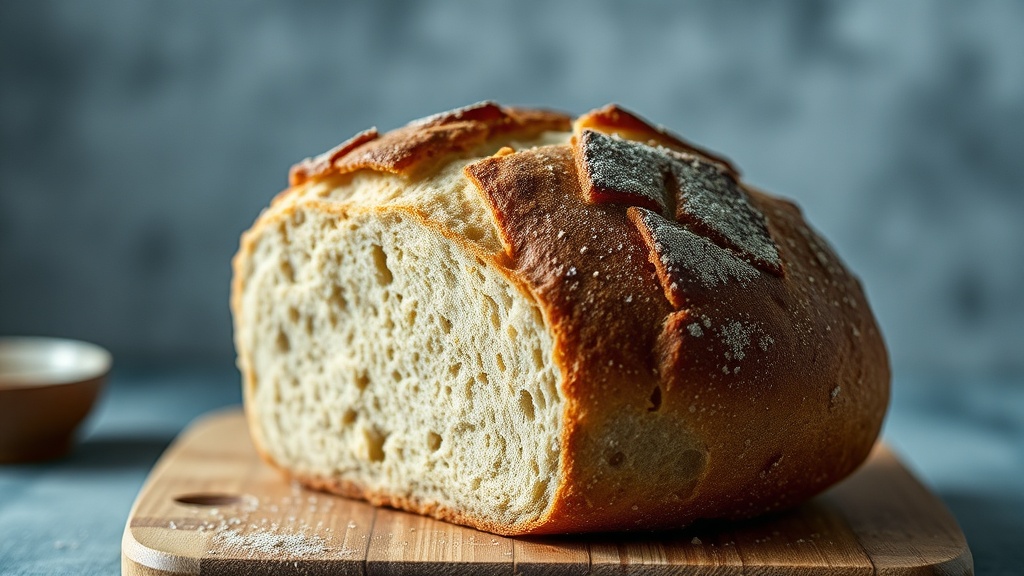
Why Your Gluten-Free Bread Is Always Dry

Quick Tip
Increase your moisture content by adding more binders like xanthan gum or using extra liquid like applesauce or yogurt.
Why Your Gluten-Free Bread Is Always Dry
Are you tired of pulling slices of bread out of the toaster only to find they have the texture of a dried sponge? Dryness is the most common complaint in gluten-free baking, and it isn't just bad luck—it is usually a result of specific structural deficiencies in your recipe or technique. Understanding how moisture retention works without wheat protein is essential to achieving a soft, pillowy crumb.
The Lack of Hydrocolloids
Traditional wheat bread relies on gluten to trap moisture and create structure. In gluten-free baking, you must rely on hydrocolloids like xanthan gum or guar gum to do this heavy lifting. If your recipe calls for a flour blend that lacks a significant amount of binder, the water will evaporate quickly during the bake, leaving you with a crumbly, parched loaf. If you are using a homemade blend, ensure you are adding at least 1 teaspoon of xanthan gum per cup of flour to stabilize the moisture.
The Hydration Imbalance
Gluten-free flours, particularly high-starch blends containing rice flour or potato starch, are incredibly thirsty. If your dough looks "perfect" while mixing, it is likely already too dry. A successful gluten-free dough should often feel more like a thick, sticky paste rather than a traditional bread dough. If the dough is too stiff, the starches cannot fully hydrate, leading to a gritty and dry mouthfeel once baked. For more insight into how ingredient ratios affect your results, read my guide on gluten-free flour substitutions.
Temperature and Steam Management
To prevent moisture loss, you need to manage the environment inside your oven. Many home bakers skip the steam element, which is vital for a soft crust. Try placing a shallow pan of boiling water on the bottom rack of your oven during the first 15 minutes of baking. This creates a humid environment that prevents the crust from setting too early and locking the moisture inside a hard, impenetrable shell. Additionally, avoid over-baking; even five minutes too long can turn a soft loaf into a brick.
Practical Tips for Success
- Use Psyllium Husk: Adding a tablespoon of psyllium husk powder to your dough can significantly increase water retention and elasticity.
- Check Your Flour Age: Stale flour absorbs moisture from the air. If your flour has been sitting open in the pantry, it may be too dry to yield a soft loaf.
- The "Touch Test": If your dough feels tacky or even slightly messy on your hands, it is likely at the correct hydration level for a soft crumb.
"In the absence of gluten, moisture management is your primary tool for structural integrity. Treat your hydration levels with the precision of a chemist, not a casual cook."