Why Your Gluten-Free Pasta Turns Mushy

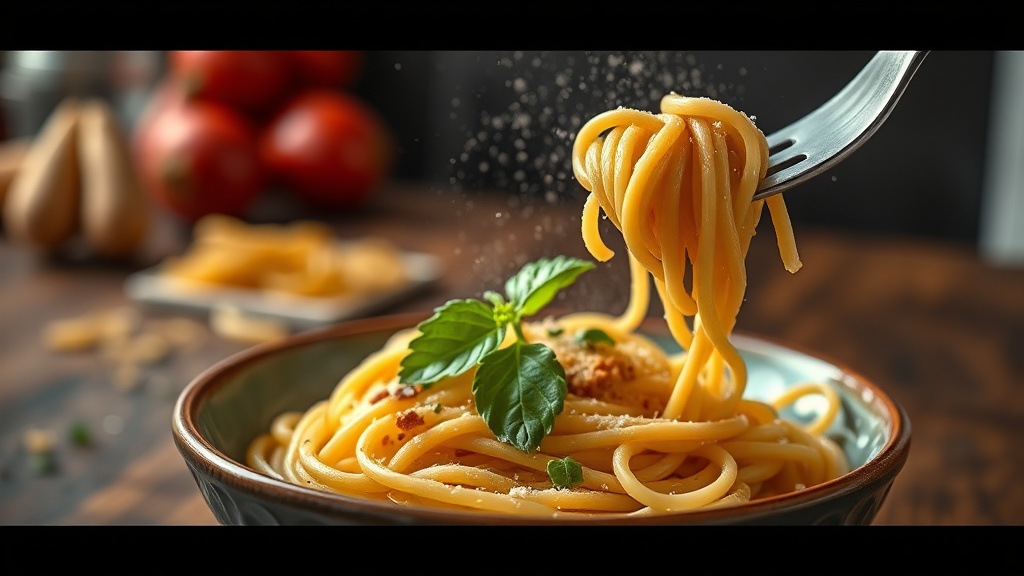
A single forkful of overcooked, graying starch sits at the bottom of a bowl, lacking any structural integrity or bite. This is the common frustration of the gluten-free cook: you follow a recipe, you check the box for "gluten-free," and yet you end up with a mushy, unappetizing pile of paste instead of a perfect al dente noodle. This post explains the scientific and technical reasons why gluten-free pasta fails and provides the specific adjustments you need to achieve a professional-grade texture in your own kitchen.
The Structural Deficit: Why Gluten-Free Pasta Behaves Differently
In traditional wheat pasta, gluten provides a complex, elastic protein network. This network acts as a scaffolding that holds starch granules in place while they absorb water. When you cook wheat pasta, the gluten creates a resilient structure that resists breaking down, even when slightly overcooked. Gluten-free pasta lacks this protein architecture. Instead, it relies on starches—primarily from rice, corn, quinoa, or buckwheat—and binding agents like xanthan gum or guar gum to hold its shape.
Without that elastic protein web, gluten-free noodles are highly susceptible to two main issues: starch gelatinization and structural collapse. As the starch granules absorb water and heat, they swell and eventually burst, releasing amylose and amylopectin into the water. In gluten-free varieties, this process happens much more aggressively and with less structural support, leading to that dreaded mushy texture.
The Role of Starches and Bindings
The ingredient list on your box of Barilla Gluten-Free or Jovial pasta dictates how it will react to heat. Most high-quality gluten-free pastas use a blend of corn and rice flour. While corn provides a good bite, rice flour can be more prone to a "slimy" exterior if not handled correctly. The presence of binders is also critical. If a brand uses a high amount of xanthan gum, the pasta may feel slightly more "rubbery" but will hold its shape better during a quick sauté. If the blend lacks sufficient binders, the noodles will likely disintegrate the moment you try to toss them in a heavy sauce.
The Three Main Culprits of Mushy Pasta
Identifying exactly why your specific brand of pasta is failing is the first step toward fixing it. Most failures fall into one of three categories: water temperature, cooking time, or starch concentration.
1. The Boiling Point Error
Many home cooks use a "simmer" rather than a "rolling boil." For gluten-free pasta, this is a critical mistake. If the water is not at a vigorous, turbulent boil, the starches on the surface of the noodle will begin to dissolve into a thick, gummy film before the center of the noodle is actually cooked. This creates a noodle that is simultaneously mushy on the outside and chalky on the inside. You need the kinetic energy of a rolling boil to keep the noodles moving and to prevent that surface starch from sticking to itself.
2. The Time-Sensitivity Trap
Gluten-free pasta has a much narrower window of perfection than wheat pasta. A wheat noodle might stay edible for a minute or two past its "al dente" point, but a corn-based gluten-free noodle can transition from perfect to mushy in a matter of thirty seconds. You cannot rely on the "visual" cues used for traditional pasta; you must rely on the timer and constant tasting.
3. Excessive Starch Release
If you are using a high-starch blend, the water in your pot will turn cloudy very quickly. This starch-heavy water coats the noodles in a thick layer of glue. When you drain the pasta, this residual starch can make the noodles feel "slimy" or "mushy" even if the interior is technically cooked. This is often exacerbated if you use too little water, creating a concentrated starch bath.
Professional Techniques for Perfect Gluten-Free Pasta
To achieve a consistent result, you must treat gluten-free pasta with the precision of a technical cook. Follow these specific protocols to ensure your noodles maintain their integrity.
Use the "High Volume" Method
Never skimp on the water. I recommend using at least four quarts of water for every 12 ounces of pasta. A large volume of water ensures that the starch concentration remains low, preventing the water from turning into a thick, starchy slurry. This keeps the surface of the pasta clean and prevents the noodles from sticking together in a clump.
- Salt the water heavily: Add salt once the water reaches a rolling boil. This doesn't just season the pasta; it helps strengthen the starch structure during the cooking process.
- Avoid oil in the water: A common myth is that adding oil to the water prevents sticking. In gluten-free cooking, oil can actually coat the starch, preventing the pasta from absorbing water evenly and resulting in an unevenly cooked noodle.
The "Under-Cook and Finish" Strategy
This is the most important rule for gluten-free pasta. You should never cook the pasta completely in the water. Instead, aim to pull the pasta out of the boiling water when it is roughly 2 minutes away from being "perfect." It should still have a slight, firm resistance in the center.
Transfer the undercooked noodles directly into your sauce or pan. The heat of the sauce, combined with the residual cooking, will finish the hydration process. This allows the pasta to absorb the flavors of the sauce without the starch granules completely breaking down. If you are making a cold pasta salad, cook the noodles until they are just barely al dente, then immediately shock them in an ice bath to stop the cooking process. This is a technique I often use when dealing with texture in gluten-free sauces and starches to ensure the final dish isn't a textural mess.
The Pan-Finish Technique
When finishing your pasta in a pan with sauce, use a high-heat, short-duration method. If you are using a heavy, creamy sauce, do not let the pasta sit in the sauce for more than a minute. The moisture in the sauce will continue to penetrate the noodles. If you are making a simple aglio e olio or a tomato-based sauce, a quick toss in a hot skillet for 30-60 seconds is sufficient to marry the flavors without compromising the noodle's structure.
Recommended Brands and Ingredient Profiles
Not all gluten-free pasta is created equal. As a critic, I look for specific ingredient profiles that favor structural integrity over ease of production. Here is how I categorize the most common types:
- Corn-Based (e.g., Barilla Gluten-Free): These are generally the most reliable for a traditional "bite." They are excellent for heavy sauces but require very strict timing.
- Brown Rice-Based (e.g., Jovial): These tend to have a more delicate, authentic texture. However, they are the most prone to becoming mushy if the water temperature drops or if they are overcooked by even a few seconds.
- Quinoa or Buckwheat Blends: These often have a more "earthy" flavor and a slightly grainier texture. They are much more resilient to overcooking than rice-based pastas, making them a safer bet for beginners.
- Chickpea or Lentil-Based (e.g., Banza): These are incredibly high in protein, which actually helps with structure. They hold their shape exceptionally well, but they can become "mealy" if not cooked in a high volume of water.
Troubleshooting Common Issues
If you have followed the steps above and your pasta is still not meeting your standards, check these three variables:
Is it "Slimy" or "Mushy"?
If the texture is slimy, the issue is surface starch. You likely didn't use enough water or you didn't boil it vigorously enough. The starch didn't disperse; it stayed on the noodle. Increase your water-to-pasta ratio next time.
Is it "Grainy" or "Hard" in the middle?
If the center is hard, you pulled the pasta too early or your water wasn't at a true rolling boil. Gluten-free starches need consistent heat to hydrate fully. Ensure your water is bubbling aggressively before the pasta hits the pot.
Is it "Falling Apart" in the sauce?
This is a sign of structural failure. Either your brand of pasta lacks sufficient binders (like xanthan gum), or you are using a sauce that is too heavy/acidic, which can break down the starches during the mixing process. Try a lighter sauce or a shorter finishing time.
Achieving the perfect gluten-free pasta is a matter of controlling the starch. By treating the cooking process as a technical exercise in temperature and timing, you can move past the era of mushy noodles and back to the high-quality, dignified meals you deserve.