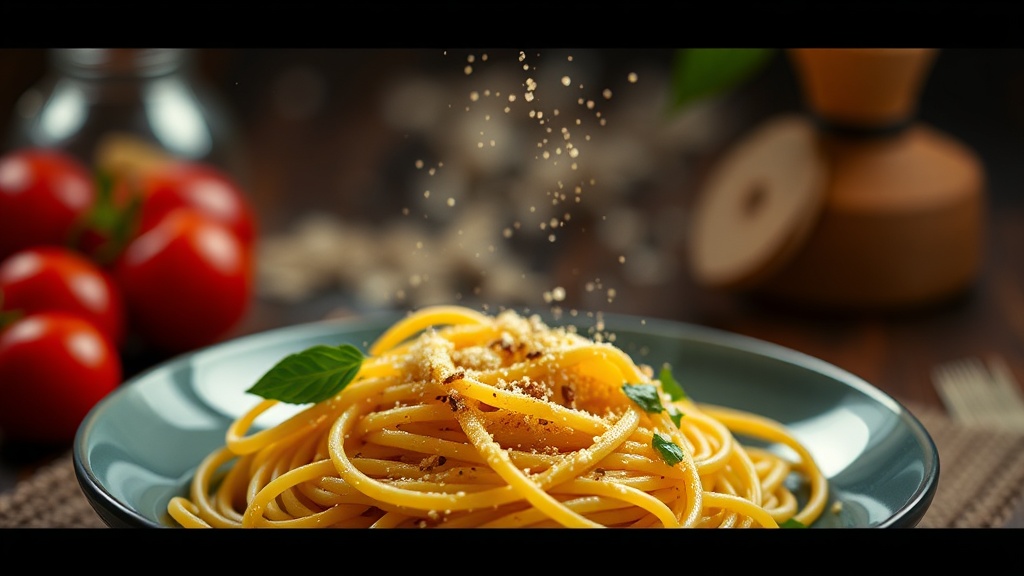
Your Guide to Unyielding Al Dente Gluten-Free Pasta

Your Guide to Unyielding Al Dente Gluten-Free Pasta
Many home cooks — and even some professional kitchens — approach gluten-free pasta with a sense of resignation, anticipating a soft, often mushy texture that falls short of the satisfying chew of its wheat-based counterpart. This common misconception, however, fundamentally misunderstands the potential of modern gluten-free pasta. With a nuanced approach to selection and a few precise techniques, you can achieve perfectly al dente results every time, transforming a once-dreaded dish into a gluten-free triumph. This guide details the critical factors and methods that ensure your gluten-free pasta stands up to any sauce, offering that coveted bite without compromise.
What Makes Gluten-Free Pasta So Different to Cook?
The primary difference in cooking gluten-free pasta lies in its very composition. Traditional pasta relies on gluten, a complex protein network, for its elasticity, structure, and ability to hold shape during cooking. Gluten-free varieties, conversely, are typically made from a blend of starches and flours like corn, rice, quinoa, and legumes. Each of these ingredients behaves distinctly under heat and in water, lacking the inherent structural integrity that gluten provides.
Without gluten’s binding power, these alternative flours are more susceptible to breaking down, leaching starches into the cooking water, and quickly moving from firm to overly soft. The cooking window is often much narrower, demanding closer attention. Understanding these fundamental differences isn't about accepting inferiority; it’s about recognizing the unique characteristics you’re working with and adapting your method accordingly. Think of it as mastering a new ingredient – something every chef must do.
How Do I Prevent Gluten-Free Pasta from Becoming Gummy?
Achieving that ideal al dente texture with gluten-free pasta requires a deliberate departure from conventional wisdom. Here’s how to sidestep gumminess and ensure each strand or shape maintains its integrity:
- Use Abundant, Rapidly Boiling Water: This isn't merely a suggestion; it's a non-negotiable. For every pound of gluten-free pasta, you need at least 4-6 quarts of water. This generous volume ensures the water temperature doesn't plummet when the pasta is added, allowing for even cooking and preventing the individual pieces from clumping together. A vigorous boil also helps to agitate the pasta, inhibiting sticking.
- Salt the Water Generously: Just as with traditional pasta, salt is crucial for seasoning the pasta from the inside out. Don't be shy; the water should taste like the ocean. This also helps to firm up the pasta's structure during cooking.
- Resist the Oil: A common misconception is that adding oil to the water prevents sticking. For gluten-free pasta, this is often counterproductive. Oil can coat the pasta, hindering the absorption of salted water and preventing sauces from clinging properly later. The key to preventing sticking lies in sufficient water volume and consistent agitation.
- Stir Immediately and Frequently: Once the gluten-free pasta hits the boiling water, stir it vigorously for the first minute or two. This prevents the initial stickiness that often occurs as starches begin to release. Continue to stir periodically throughout the cooking process.
- Mind the Cooking Time — and Then Some: The cooking times listed on gluten-free pasta packaging are often optimistic. Always start checking a minute or two *before* the suggested minimum time. Because gluten-free pasta can go from al dente to overcooked very rapidly, you need to be vigilant. The moment it offers resistance to the bite but yields without being hard in the center, it's ready. If you’re draining and immediately saucing, err on the side of slightly undercooked, as it will continue to cook from residual heat.
- Rinse (Sometimes): This is perhaps the most controversial step for traditional pasta enthusiasts, but for gluten-free pasta, it can be a game-changer. Rinsing gluten-free pasta with cool water immediately after draining stops the cooking process and washes away excess surface starch, which is often the culprit behind a gummy texture. This is especially useful if you're making a cold pasta salad or won't be saucing the pasta immediately. If you're serving it hot with sauce, a quick rinse under warm — not cold — water can still be beneficial to remove some starch without cooling the pasta too much.
- Sauce Immediately: If you're not rinsing, or even if you are, sauce your gluten-free pasta as quickly as possible. The sauce not only adheres better to freshly cooked pasta but also helps to keep it from sticking together as it cools.
Are There Specific Brands or Shapes That Cook Better?
Absolutely. The world of gluten-free pasta has expanded dramatically, and not all products are created equal. Ingredient composition plays a significant role in how well a pasta holds up during cooking. As a critic of gluten-free mediocrity, I've found certain types consistently perform better:
- Brown Rice Pasta: Often a reliable choice, brown rice pasta generally has good texture and a neutral flavor profile. Brands that use a blend of brown and white rice can sometimes offer a better balance of texture and pliability. Look for brands that clearly state “bronze die” extrusion, which creates a rougher surface for sauce to cling to.
- Corn and Rice Blends: These are frequently excellent, providing a pleasant chewiness similar to traditional durum wheat pasta. The corn adds a subtle sweetness and elasticity that pure rice pasta sometimes lacks.
- Legume-Based Pastas (Lentil, Chickpea): While fantastic for protein content and nutritional value, these can be trickier. They tend to soften more quickly and can have a more pronounced flavor. For these, rinsing is almost always advised, and they pair best with bolder sauces that can stand up to their earthy notes. Be especially mindful of the cooking times here.
- Quinoa Pasta: Offers a good texture and a slightly nutty flavor. It holds its shape well and is often a good compromise between rice and legume-based options.
When selecting shapes, consider the sauce. Shorter, thicker shapes like penne, fusilli, or rotini tend to be more forgiving than delicate long strands like angel hair. The increased surface area and internal structure of these shapes can better withstand the cooking process. Ultimately, experimentation with different brands and ingredient blends will reveal your personal preferences, but starting with well-regarded brown rice or corn-rice blend pastas is a sound strategy. For an overview of gluten-free pasta varieties, a resource like