Beyond the Grain: Unlocking the Flavor of Ancient Amaranth and Teff

You will learn the technical applications, nutritional profiles, and culinary nuances of amaranth and teff to elevate your gluten-free baking and cooking from basic substitution to gourmet excellence.
The Architectural Integrity of Amaranth
Amaranth is often relegated to the status of a "superfood" supplement, but in a professional kitchen, it is a functional tool defined by its high protein content and unique starch structure. Unlike rice flour, which can be one-dimensional, amaranth provides a nutty, slightly peptic flavor profile and a density that can ground lighter gluten-free blends.
Nutritional and Chemical Composition
From a biochemical standpoint, amaranth is a powerhouse of lysine, an essential amino acid often lacking in other pseudocereals. It is also exceptionally high in magnesium and iron. For the baker, the most critical factor is its protein-to-starch ratio. The high protein content allows it to act as a structural binder, though it lacks the elasticity of gluten, meaning it must be used in conjunction with hydrocolloids like xanthan gum or psyllium husk to prevent crumbling.
Culinary Applications and Techniques
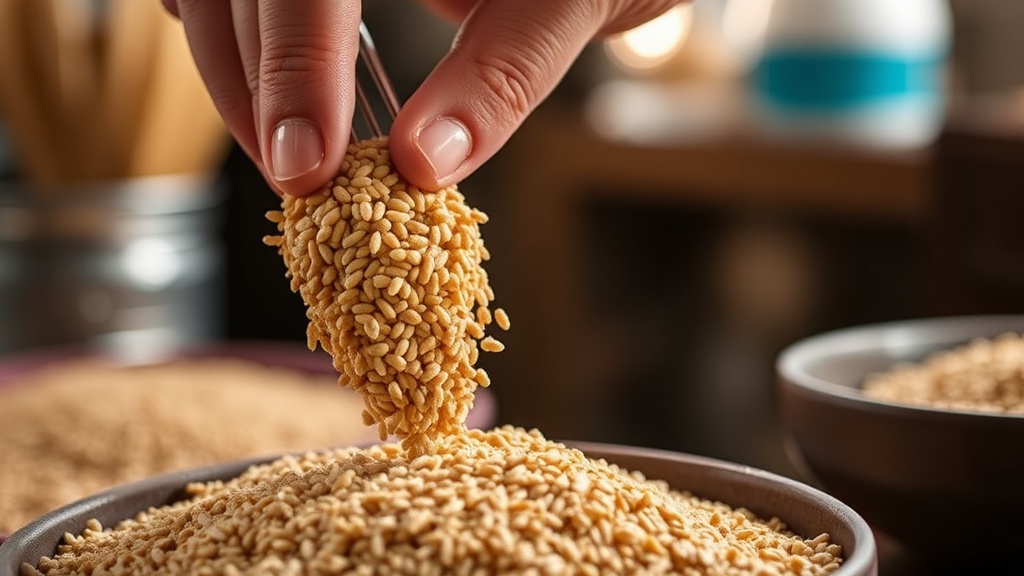
To utilize amaranth effectively, one must distinguish between the whole grain and the flour. Whole grain amaranth has a tiny, bead-like structure that provides a distinct "pop" or crunch when used in porridges or as a crust for proteins. However, for fine-textured baking, the flour is indispensable.
- The Toasting Method: To unlock the full depth of amaranth, toast the whole grains or the flour in a dry skillet over medium heat until a nutty aroma develops. This technique, similar to making a roux, transforms the flavor from "grassy" to "toasted hazelnut."
- Thickening Agent: Because of its high starch content, amaranth flour serves as an excellent thickener for sauces and gravies. A tablespoon of amaranth flour whisked into a simmering vegetable stock creates a velvety texture without the graininess often found in cornstarch.
- Texture Modification: In gluten-free bread recipes, replacing 15% of your standard white rice flour with amaranth flour adds a much-needed "chew" and structural integrity.
"Treat amaranth not as a replacement, but as a seasoning. Its strength lies in its ability to add weight and a sophisticated, earthy undertone to otherwise light-handed gluten-free blends."
Teff: The Precision Tool for Fermentation and Texture
Teff, a tiny grain originating from the Ethiopian highlands, is the secret weapon for achieving the complex flavor profiles found in traditional sourdough. While amaranth provides density, teff provides nuance, offering notes of molasses, cocoa, and toasted malt.
The Sourdough Connection
Teff is highly prized in the world of fermented gluten-free baking. Its high mineral content and complex carbohydrate structure make it an ideal substrate for wild yeast. If you are looking to refine your technique, understanding how teff interacts with acidity is vital. It is a staple in Injera, the fermented flatbread of Ethiopia, which relies on a specific level of lactic acid fermentation to achieve its signature sourness and aerated texture.
For those working on advanced fermentation, understanding the relationship between grain density and crust development is key. You can explore more about complex grain structures in our discussion on the ultimate guide to mastering gluten-free sourdough.
Working with Teff Flour
Teff flour is exceptionally fine, often feeling more like a powder than a traditional grain flour. This fineness allows it to slip into the microscopic gaps in a gluten-free dough, creating a more cohesive crumb. However, this also means it can be highly absorbent.
- Hydration Management: When substituting teff into a standard recipe, increase your liquid content by approximately 5-10%. Teff absorbs moisture more aggressively than buckwheat or sorghum, and failing to adjust will result in a dry, brittle loaf.
- Color Profiling: Be aware that teff—specifically the dark variety—will heavily pigment your work. A teff-heavy muffin or loaf will take on a deep, chocolate-brown hue. Use this to your advantage in "dark" bakes like brownies or rye-style breads.
- The "Sift and Scale" Rule: Because teff is so fine, it tends to clump in packaging. Always sift your teff flour before adding it to dry ingredients to ensure even distribution and to prevent "hot spots" of density in your crumb.
The Comparative Analysis: Amaranth vs. Teff
Deciding which grain to use depends entirely on the desired end-result of your dish. A chef's decision is dictated by the interplay of texture, flavor, and structural requirements.
| Characteristic | Amaranth | Teff |
|---|---|---|
| Primary Flavor | Nutty, Earthy, Grassy | Molasses, Cocoa, Malt |
| Texture Contribution | Density, "Pop", Weight | Fine Crumb, Aeration, Softness |
| Best Use Case | Thickening, Porridges, Bread Structure | Sourdough, Pancakes, Fermentation |
| Absorption Rate | Moderate | High |
Advanced Culinary Integration: A Two-Grain Approach
The most sophisticated gluten-free cooks do not choose one over the other; they blend them. By combining the structural density of amaranth with the fine-grained, fermented potential of teff, you can create a flour blend that rivals traditional wheat-based products in both mouthfeel and flavor complexity.
The "Ancient Blend" Recipe Template
To create a high-performance baking blend at home, use the following ratio as a starting point for cookies, quick breads, or muffins:
- 40% Amaranth Flour: Provides the protein-driven structure.
- 40% Teff Flour: Provides the fine texture and deep flavor.
- 20% Tapioca Starch: Provides the necessary "stretch" and lightness to prevent the density of the two grains from becoming too heavy.
Execution Note: When using this blend, ensure you are using a high-quality, certified gluten-free source. Brands like Bob's Red Mill or specialized importers often provide more consistent micron sizes, which is crucial for the predictable results required in professional-grade baking. As the gluten-free flour market continues to expand, the availability of these high-quality, single-origin ancient grains is becoming more accessible to the home kitchen, allowing for even greater precision in your recipes.
Final Professional Pro-Tip
Always monitor your oven temperature when working with these grains. Because amaranth and teff contain higher levels of natural sugars and minerals, they are more prone to browning (the Maillard reaction) than standard rice or corn-based gluten-free flours. If your crust is darkening too quickly before the center is set, tent your pans with aluminum foil at the 20-minute mark to protect the integrity of the bake.