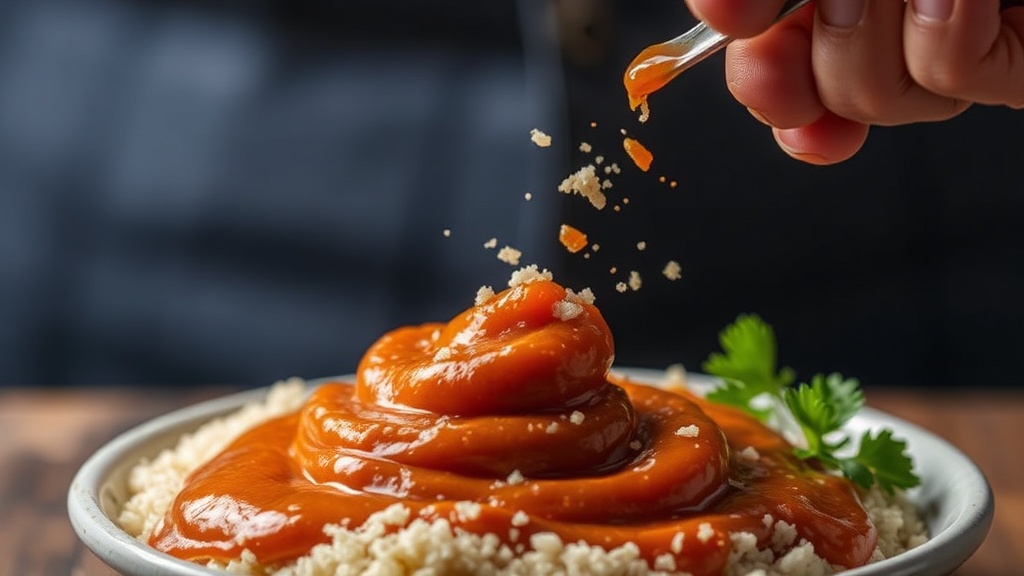
Fixing the Grainy Texture in Your Gluten-Free Sauces

Why does your gluten-free roux taste like sand?
You've spent forty minutes whisking a Béchamel only to find it has the mouthfeel of fine silt. Most cooks blame the flour blend—and they're often right—but the real culprit is usually the starch-to-protein ratio and your choice of thickener. We’re going to fix the texture of your gravies and mother sauces by rethinking how we handle alternative starches in a hot pan.
Which flour is best for a smooth gluten-free roux?
Stop reaching for the all-purpose cup-for-cup blend when making a sauce. Those blends contain gritty brown rice flour or sorghum that won't fully hydrate at standard simmering temperatures. For a professional-grade finish, use a single-origin starch like sweet rice flour (also known as glutinous rice flour) or a 50/50 mix of white rice flour and cornstarch. Sweet rice flour is a secret weapon in professional kitchens because it lacks the crystalline structure of regular rice flour, meaning it melts into the fat for a velvety consistency.
How do I stop gluten-free sauces from breaking?
If your sauce looks oily or separated, it’s likely because you’ve pushed the heat too high. Gluten-free starches—particularly arrowroot and tapioca—don't have the same heat tolerance as wheat. If you boil an arrowroot-thickened sauce, the molecular bonds snap, and your sauce turns into a thin, stringy mess. Keep your heat at a gentle simmer. If you’re using tapioca starch, whisk it into a cold slurry first and add it at the very end of the cooking process to maintain that glossy sheen. Check out the