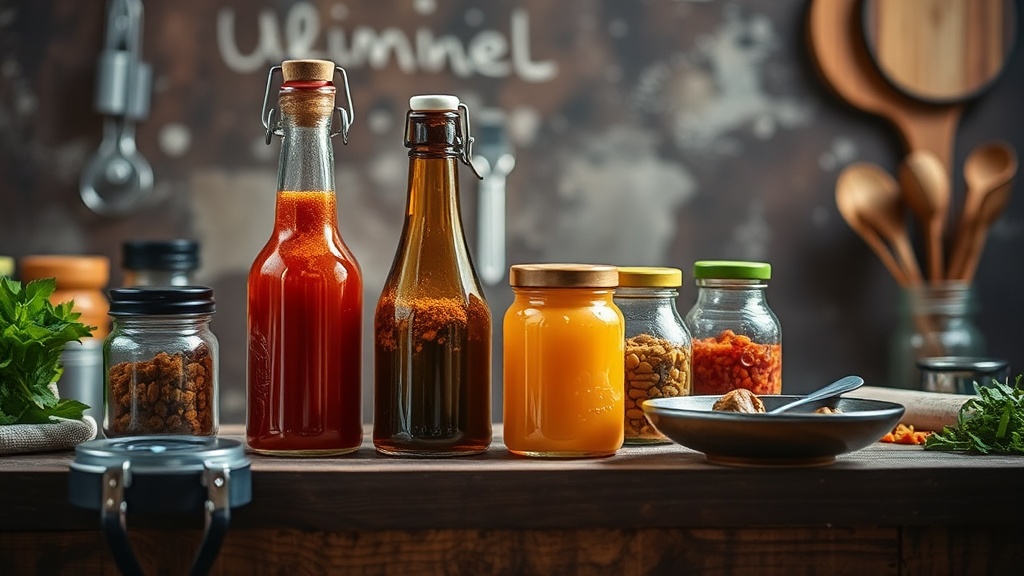
Hidden Gems: Navigating the World of Fermented Gluten-Free Condiments

A single drop of artisanal kimchi brine hits a ceramic spoon, releasing a sharp, effervescent sting of lactic acid and toasted garlic. The aroma is complex—not just the heat of gochugaru, but the deep, funk-forward scent of a long-term fermentation that has transformed raw cabbage into something transcendent. In the world of gluten-free dining, condiments are often the most dangerous territory. We frequently settle for "safe" but bland alternatives, unaware that the most profound flavors often come from the microscopic work of bacteria and yeast. For those navigating a gluten-free lifestyle, the quest for high-quality fermented condiments is a quest for depth, acidity, and the "umami" that many gluten-free substitutes lack.
The Complexity of Fermentation in a Gluten-Free Context
Fermentation is the process of breaking down carbohydrates into alcohol or organic acids via bacteria and yeast. In traditional culinary arts, this process is used to create depth in soy sauce, miso, and various vinegars. However, the gluten-free diner faces a recurring hurdle: many traditional fermented products use barley (koji) or wheat as a substrate. To find true quality, one must look beyond the "gluten-free" label and examine the actual fermentation base. High-quality fermentation relies on a clean, unadulterated starting material, whether it is organic soybeans, quinoa, or even coconut nectar.
When evaluating a fermented condiment, look for the presence of "living" cultures. A dead condiment—one that has been pasteurized to the point of sterility—will lack the nuanced, evolving flavor profile of a truly fermented product. For example, a high-end Tamari should possess a viscous, dark richness that comes from the long fermentation of non-GMO soybeans, whereas a cheaper, thin version may rely heavily on caramel coloring to mimic that density. The distinction is not just aesthetic; it is a matter of molecular complexity.
The Soy-Free Alternative: Miso and Tamari Evolution
For many, the primary challenge in the gluten-free pantry is replacing the deep umami of wheat-based soy sauce and traditional miso. The standard "Gluten-Free Tamari" found in most grocery stores is a reliable baseline, but if you are seeking professional-grade depth, look toward brands like San-J or Liquid Aminos derived from coconut aminos. While coconut aminos are technically a different fermentation profile, they offer a sweeter, more subtle profile that works exceptionally well in stir-fries where a heavy salt hit might be overwhelming.
Miso presents a more technical challenge. Traditional miso often utilizes barley (mugi miso), which is a strict no-go for Celiacs. Instead, seek out White Miso (Shiro Miso) made from rice or Red Miso (Aka Miso) made from soybeans. A well-fermented red miso offers a salty, earthy punch that can be used to deglaze a pan or thicken a gluten-free stew. When using miso, do not boil it; instead, whisk it into warm liquids at the very end of the cooking process to preserve the integrity of the enzymes and the delicate flavor profile.
- White Miso: Best for dressings, light soups, and creamy sauces.
- Red/Dark Miso: Best for hearty stews, marinades, and braising liquids.
- Coconut Aminos: A perfect substitute for those seeking a lower sodium, sweeter profile.
Navigating the World of Fermented Vegetables
Fermented vegetables, or "lacto-fermented" goods, are a cornerstone of gut health and culinary brightness. The danger here lies in the "hidden gluten" often found in commercial brines or spice blends. Many mass-produced sauerkraut or kimchi brands use thickeners or flavor enhancers that may contain trace amounts of wheat-derived malt or barley-based seasonings.
When selecting a kimchi, the ingredient list must be transparent. Authentic, high-quality kimchi should rely on a base of napa cabbage, radish, garlic, ginger, and Gochugaru (Korean chili flakes). Some brands may use wheat-based flour to thicken their kimchi paste—a practice that ruins the texture and introduces gluten. I recommend looking for brands like Wildbrine or small-batch producers found in specialty markets that explicitly state their use of gluten-free ingredients. The goal is a crunch that is preserved by the lactic acid, not a mushy texture caused by improper fermentation or additives.
Similarly, with sauerkraut, the gold standard is a simple three-ingredient list: cabbage, sea salt, and water. If you see "vinegar" listed as the primary acid, you are likely looking at a pickled vegetable rather than a truly fermented one. While pickled vegetables are delicious, they lack the probiotic benefits and the complex, evolving acidity of a true lacto-fermented cabbage. For a professional touch, use a finely chopped, well-fermented sauerkraut to add a bright, acidic lift to a heavy, grain-free protein like roasted salmon or a hearty lentil ragu.
The Nuance of Fermented Hot Sauces
Hot sauce is perhaps the most ubiquitous category in the condiment aisle, but it is also the most inconsistent. A truly fermented hot sauce—such as those produced by Tabasco (which is generally safe, though check labels for cross-contamination) or artisanal brands like Sriracha (ensure it is the genuine fermented version, not the chemically acidified imitation)—offers a heat that builds gradually rather than a sharp, stinging burn. The fermentation process mellows the capsaicin, allowing the fruity or earthy notes of the peppers to shine through.
When selecting a hot sauce, look for "Fermented" as a primary descriptor on the label. This indicates that the peppers were fermented in a brine before being blended. This technique creates a much more sophisticated sauce that can act as a seasoning rather than just a heat delivery system. A fermented habanero sauce, for instance, can provide a tropical, bright acidity that complements a gluten-free taco or a roasted vegetable bowl, whereas a vinegar-heavy sauce might simply overwhelm the palate with acid.
Technical Application: Using Condiments as Culinary Tools
To use these "hidden gems" effectively, one must treat them as ingredients rather than mere toppings. A common mistake is adding a fermented condiment at the end of a meal as a garnish, which misses the opportunity to integrate its flavors into the dish's architecture. Instead, use them to build layers of flavor during the cooking process.
- The Deglazing Technique: Use a high-quality, gluten-free Tamari or a splash of fermented rice vinegar to deglaze a pan after searing vegetables. This lifts the browned bits (fond) and incorporates the umami into the base of your sauce.
- The Emulsion Method: Whisk a teaspoon of white miso into a vinaigrette made of olive oil, lemon juice, and Dijon mustard. The miso acts as an emulsifier, creating a creamy, stable dressing without the need for dairy or gluten-heavy thickeners.
- The Acid Balance: If a dish feels "flat" or overly heavy—perhaps a rich, coconut-milk-based curry—add a small amount of finely minced fermented ginger or a dash of kimchi juice. The sharp acidity will cut through the fat and brighten the entire profile.
As you refine your pantry, remember that the quality of your ingredients dictates the quality of your output. In the absence of gluten, we must work harder to find texture and depth. By sourcing fermented products that respect the traditional methods of their origin, you aren't just avoiding an allergen; you are elevating your cooking to a professional standard. The difference between a mediocre meal and a memorable one often lies in a single, well-fermented spoonful.
If you are looking to expand your knowledge of foundational ingredients, you may find interest in our deep dive into unlocking the flavor of ancient amaranth and teff, which explores how to bring texture and substance to grain-free cooking.