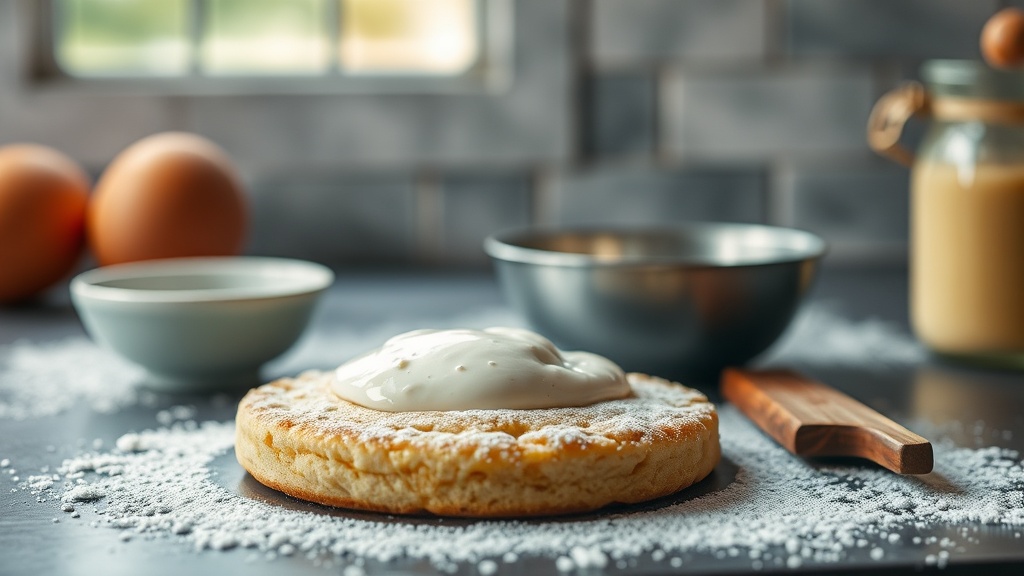
Stop Using Cold Eggs in Your Gluten-Free Batter

Quick Tip
Always bring your eggs to room temperature to ensure a smooth, stable emulsion in your gluten-free batters.
Stop Using Cold Eggs in Your Gluten-Free Batter
A single cold egg can drop the temperature of your batter by several degrees, causing your fats to seize and your final texture to suffer. In gluten-free baking, where we rely heavily on starches and gums for structure rather than wheat protein, temperature stability is non-negotiable. Using room-temperature ingredients ensures a smooth, homogeneous emulsion that results in a light, airy crumb rather than a dense or grainy one.
The Science of Emulsion
When you add cold eggs to a mixture of creamed butter and sugar, the butter undergoes a physical shock. This causes the fat to solidify into tiny, hard clumps. Instead of a smooth, aerated base, you end up with a broken batter. In gluten-free recipes—which often utilize heavy hitters like Bob’s Red Mill 1-to-1 or high-starch blends—this lack of emulsification leads to uneven rising and a heavy mouthfeel. If your batter isn't perfectly emulsified, you will likely encounter issues with crumbly and dense textures in your finished loaf or cake.
Three Ways to Temper Your Eggs
You do not need to wait an hour for your eggs to reach room temperature. Use these professional techniques to save time:
- The Warm Water Bath: Place your whole, uncracked eggs in a bowl of warm (not hot) water for 5 to 10 minutes. This is the safest method for ensuring the center of the yolk reaches the desired temperature without cooking it.
- The Rapid Warm-Up: If you have already cracked the eggs into a small bowl, place that bowl into a larger one filled with warm water. Stir the eggs gently for 2 minutes to distribute the heat.
- The Microwave Hack: For a truly desperate situation, place the cracked eggs in a microwave-safe container and heat them for exactly 5 to 8 seconds on medium power. Do not exceed this time, or you will begin to scramble the proteins.
The Result: Better Lift and Structure
A properly tempered batter allows the air bubbles created during the creaming stage to remain stable. This is especially critical when working with xanthan gum or guar gum, as these stabilizers need a consistent environment to hydrate and bond with the liquids. When your eggs match the temperature of your fats and starches, your gluten-free cakes will achieve a professional loft and a much finer, more consistent crumb.