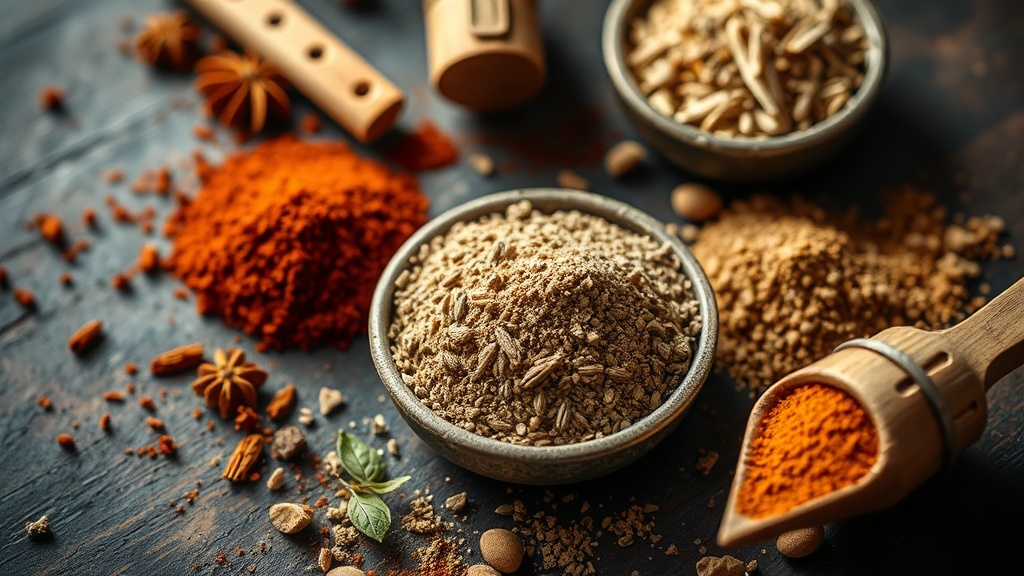
Stop Using Pre-Ground Spices in Your Gluten-Free Cooking

Quick Tip
Always check labels for 'certified gluten-free' or buy whole spices to grind yourself to avoid hidden cross-contamination.
The bottom of a standard spice jar often holds a fine, dull dust that lacks any discernible aroma. This is the reality of pre-ground spices: they are oxidized, stale, and frequently compromised by cross-contamination. For those of us navigating a gluten-free lifestyle, relying on these mediocre ingredients is a mistake that affects both flavor depth and safety. Switching to whole spices and grinding them yourself is the fastest way to elevate your cooking from "tolerable" to professional-grade.
The Hidden Risks of Pre-Ground Spices
When you buy pre-ground spices from a big-box retailer, you aren't just sacrificing flavor; you are risking your health. Many spice manufacturers use shared processing facilities where wheat or barley may be present as a way to prevent dust buildup in machinery. Unless a brand explicitly carries a Certified Gluten-Free seal, you cannot be certain of its purity.
Beyond safety, the culinary degradation is significant. Once a spice is ground, its surface area increases exponentially, leading to rapid oxidation. A jar of pre-ground cumin sitting in a pantry for three months will lose the volatile oils that provide its signature warmth, leaving you with a gritty, one-dimensional seasoning. This lack of punch is often why gluten-free dishes feel "flat" compared to traditional versions.
The Essential Tool Kit
You do not need an expensive electric grinder to fix this. To achieve high-quality results, invest in these three items:
- A Mortar and Pestle: Best for crushing whole seeds like coriander, fennel, or peppercorns. It allows for a varied texture that adds visual interest to dishes.
- A Burr Coffee Grinder: Ideal for fine powders like cinnamon or nutmeg. A burr grinder provides a consistent particle size, which is crucial for even distribution in baking.
- High-Quality Whole Spices: Look for brands like Burlap & Barrel or The Spice House, which prioritize single-origin whole spices.
How to Implement This Change
Start small to avoid overwhelming your pantry. Instead of buying a dozen pre-ground jars, buy whole versions of your most-used spices—specifically cumin, coriander, and black pepper. When you grind your own, you control the micron size, which directly impacts how spices interact with your gluten-free flours. For example, if you are troubleshooting why your gluten-free flour is not mixing properly, using freshly ground, fine-textured spices can help ensure even distribution within the dry mix.
Pro Tip: Toast your whole spices in a dry cast-iron skillet over medium heat for 60 seconds before grinding. This process, known as blooming, releases the essential oils and ensures that your gluten-free meals have the aromatic complexity found in high-end restaurants.