Why Your Gluten-Free Flour Is Not Mixing Properly

Quick Tip
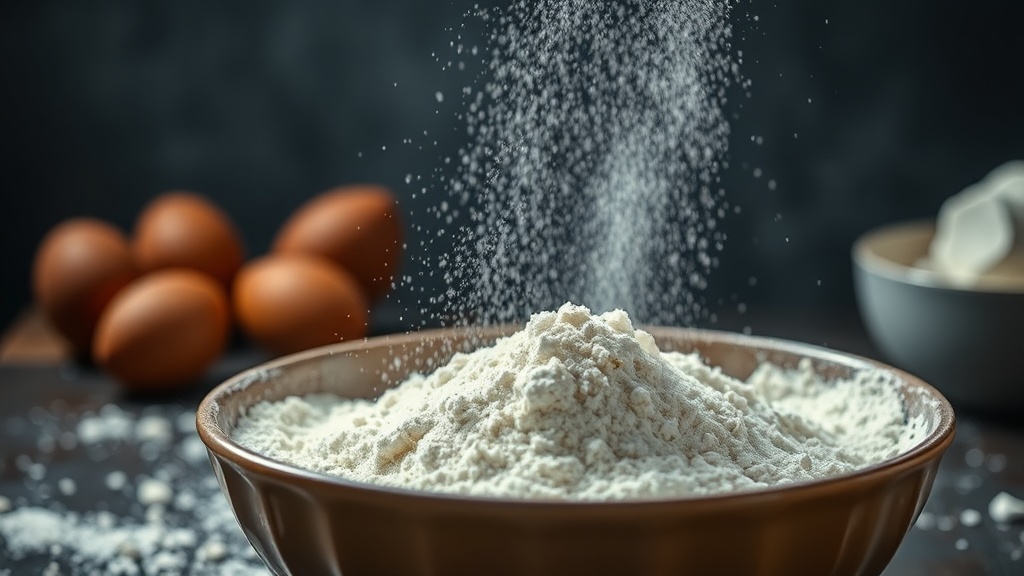
Always sift your gluten-free flour blends to aerate the starches and remove clumps before mixing.
Understanding the Science of Gluten-Free Flour Blends
In this post, you will learn the three primary technical reasons why your gluten-free flour blends are failing to incorporate properly into your batters and doughs. Achieving a smooth, consistent texture is the difference between a professional-grade loaf and a gritty, uneven mess.
1. Inadequate Sifting and Aeration
Gluten-free flours, particularly those containing heavy starches like tapioca or arrowroot, tend to settle and pack tightly during shipping. If you measure directly from the bag, you are likely adding dense, un-aerated clumps into your recipe. This leads to uneven hydration and pockets of dry flour in your finished product.
To prevent this, always sift your flour blend through a fine-mesh sieve before measuring. If you do not have a sifter, use a whisk to vigorously break up any clumps in your dry mixing bowl. This introduces air and ensures that the various components of the blend—such as rice flour, potato starch, and xanthan gum—are evenly distributed.
2. The Hydration Lag
Unlike traditional wheat flour, gluten-free blends rely heavily on hydrocolloids like xanthan gum or guar gum to mimic the elasticity of gluten. These ingredients require time and moisture to fully activate. If your batter looks "broken" or has visible white streaks, you have likely not allowed enough time for the starches to hydrate.
If you are making a high-starch recipe, such as a pancake batter or a cake, let your batter rest for 10 to 15 minutes before putting it into the oven or pan. This resting period allows the starches to absorb the liquid fully. If you notice your flour is already behaving poorly before you even start baking, you may need to check why your gluten-free flour is clumping in the bag, as moisture ingress can ruin the blend's performance.
3. Temperature Discrepancies
The temperature of your liquid ingredients significantly impacts how well your flour integrates. If you add ice-cold milk or water to a flour blend containing high amounts of coconut flour or almond meal, the fats and starches may not emulsify correctly, resulting in a grainy texture.
- For thick batters: Use room-temperature liquids to ensure a smooth, cohesive consistency.
- For quick breads: Ensure your eggs and fats are at the temperature specified in the recipe to prevent the flour from "seizing" or clumping upon contact.
Chef's Tip: If you encounter a stubborn clump in a wet batter, do not keep whisking aggressively, as this can overwork the starches. Instead, pass the batter through a fine-mesh strainer to ensure a perfectly smooth final texture.