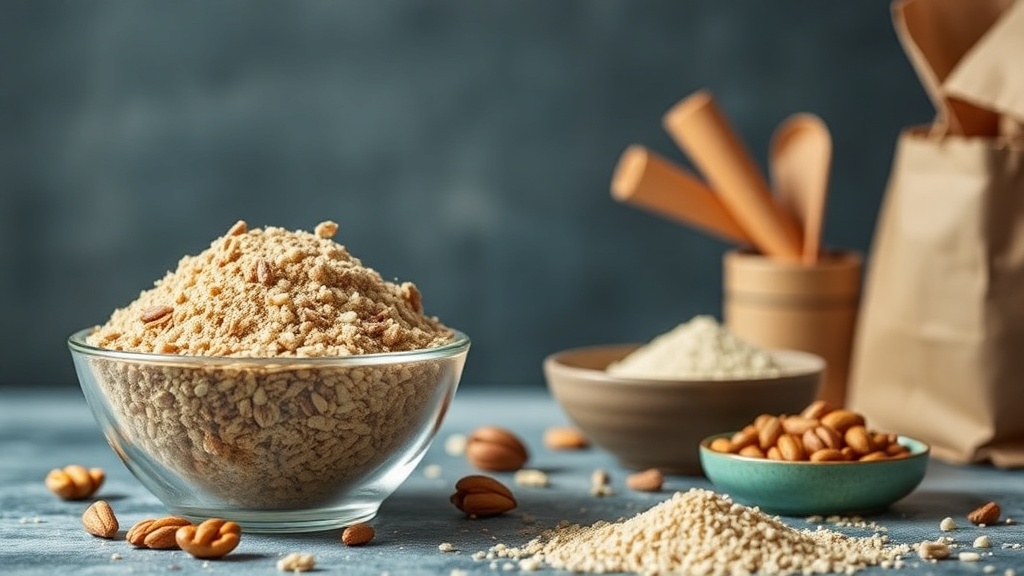
Selecting the Right Nut Flours for Your Gluten-Free Baking

Most home bakers assume that "nut flour" is a universal term, but treating almond flour the same as coconut flour is a recipe for a dense, oily, or gritty disaster. This guide breaks down the specific structural roles, fat contents, and hydration requirements of various nut-based flours to ensure your gluten-free baking actually succeeds. We'll look at how to match the right flour to your specific recipe—from delicate macarons to heavy-duty bread—so you stop wasting expensive ingredients on failed batches.
What Is the Difference Between Nut Flour and Nut Meal?
The primary difference lies in the particle size and the degree of oil extraction during processing. Nut flour is typically a finely ground, light powder used for delicate baking, while nut meal is coarser, more textured, and often contains more residual oils. If you use a coarse meal in a recipe calling for fine flour, your texture will be off. It's a common mistake that ruins the mouthfeel of high-end pastries.
Think of it like this: a fine almond flour (like the versions produced by Bob's Red Mill) is meant to mimic the lightness of wheat flour. A meal, however, is more akin to a hearty grain. If you use a heavy, coarse meal in a light sponge cake, the weight of the particles will collapse your air bubbles. You'll end up with something more akin to a dense puck than a fluffy cake.
When you're looking at a label, check the grind. If the description doesn't specify, assume it's a coarser meal. This is particularly true for products found in the bulk bins of most grocery stores. For precision baking, I always recommend buying pre-ground, high-quality flour to maintain control over the texture.
To keep your ingredients at peak performance, remember to store gluten-free flour in the freezer for maximum freshness. Nut flours are high in fats, which means they can go rancid quickly if left in a warm pantry.
Which Nut Flour Should I Use for Specific Recipes?
You must choose your flour based on the desired moisture absorption and fat content of the recipe. Different nuts react differently to heat and liquid, which dictates whether your bake will be light or dense. A mismatch here is why many gluten-free bakers struggle with "gumminess."
| Flour Type | Texture/Weight | Best Used For | Key Characteristic |
|---|---|---|---|
| Almond Flour | Fine/Light | Macarons, sponge cakes, cookies | High moisture, very versatile |
| Coconut Flour | Absorbent/Heavy | Dense breads, muffins, brownies | Extremely thirsty; requires more liquid |
| Hazelnut Flour | Medium/Rich | Chocolate cakes, biscotti, frangipane | Deep, nutty flavor profile |
| Walnut/Pecan Meal | Coarse/Oily | Quick breads, hearty muffins | High fat, can be heavy in batter |
Almond flour is the workhorse of the gluten-free world. It provides a structural integrity that mimics wheat without the grit. However, if you're using coconut flour, be warned: it is a different beast entirely. Coconut flour absorbs significantly more liquid than almond flour. If you swap them 1:1, your batter will be a dry, crumbly mess. You'll need to increase your liquid ratio—eggs or milk—to compensate for that thirst. It's a common pitfall when people try to "health up" a recipe without adjusting the chemistry.
Hazelnut flour is a specialty item. It adds a sophisticated, toasted flavor that elevates a simple chocolate cake into something professional. It's also quite oily. If you're making a delicate meringue or a light sponge, use it sparingly. Too much hazelnut flour can cause the structure to weep or sag under its own weight.
The Role of Fat in Your Bake
Nut flours are essentially ground fats. This is why they behave so differently from starch-based flors like rice or potato starch. When you bake with almond flour, you're adding both structure and a significant amount of oil. This is why many gluten-free recipes feel "heavy" or "wet."
If your bake feels too oily, you likely used a flour with a high oil content in a recipe that already had plenty of butter or oil. It's a delicate balance. I often suggest reducing the added fats in a recipe if you're substituting a high-fat nut flour for a starch-based one. It's a small tweak, but it makes a massive difference in the final crumb.
How Much Does Nut Flour Cost Compared to Other Flours?
Nut flours are significantly more expensive than grain-based or even some starch-based gluten-free flours. You're paying for the processing and the high-quality raw ingredients. Expect to pay anywhere from $8 to $15 per pound depending on the nut and the brand. Almond flour is usually the baseline, while specialty flors like macadamia or chestnut can be much higher.
It's an investment in flavor and texture. While it might seem steep, a little goes a long way when you're using it to build structure. If you're on a budget, I recommend using a blend. Don't rely solely on expensive nut flours for your entire recipe. Instead, use a base of a more affordable flour (like a rice or oat blend) and use the nut flour as a "flavor and texture" additive. This keeps your costs down while still achieving that professional mouthfeel.
For more information on the nutritional profiles and standard classifications of these ingredients, you can check the U.S. Food and Drug Administration website for labeling standards. Understanding these standards helps you ensure you're getting exactly what the label claims.
When you're shopping, don't just look at the price. Look at the ingredient list. A "real" nut flour should ideally have one ingredient: the nut itself. If you see additives or extra oils, you're paying for filler. This is a common tactic in the specialty food industry. Always read the fine print—it's the only way to ensure quality.
"The difference between a mediocre gluten-free cake and a professional one is often just the quality of the nut flour used. If the flour is rancid or poorly ground, no amount of technique can save the bake."
If you're struggling with the texture of your batters, you might want to look into fixing the grainy texture in your gluten-free sauces. While sauces and baking are different, the principle of particle size and hydration remains the same. If you can master the science of the grind, you can master the bake.
One thing to watch out for is the "oil separation" in your flour. If you see clumps or a greasy residue in your container, the oils have begun to oxidize. This will result in a bitter, unpleasant taste in your finished product. This is why I am so adamant about proper storage. It isn't just about shelf life; it's about the integrity of the flavor. A high-end almond flour should smell sweet and nutty, not like old cardboard.
When you're selecting a brand, look for reputable names like King Arthur or Bob's Red Mill. These brands maintain strict quality controls. In my experience, the "store brand" versions of nut flours are often much coarser and more prone to rancidity because they aren't stored as carefully in the supply chain. You might save a few dollars at the register, but you'll lose it in the oven when your cake fails to rise.
Don't be afraid to experiment with ratios. A 50/50 split between almond flour and a starchy flour is often the "sweet spot" for most gluten-free cakes. It provides the richness of the nut without the heaviness of a pure nut-based bake. It's about finding the balance between structure and lightness—the hallmark of great pastry work.