Why Your Gluten-Free Flour Blend Feels Gritty

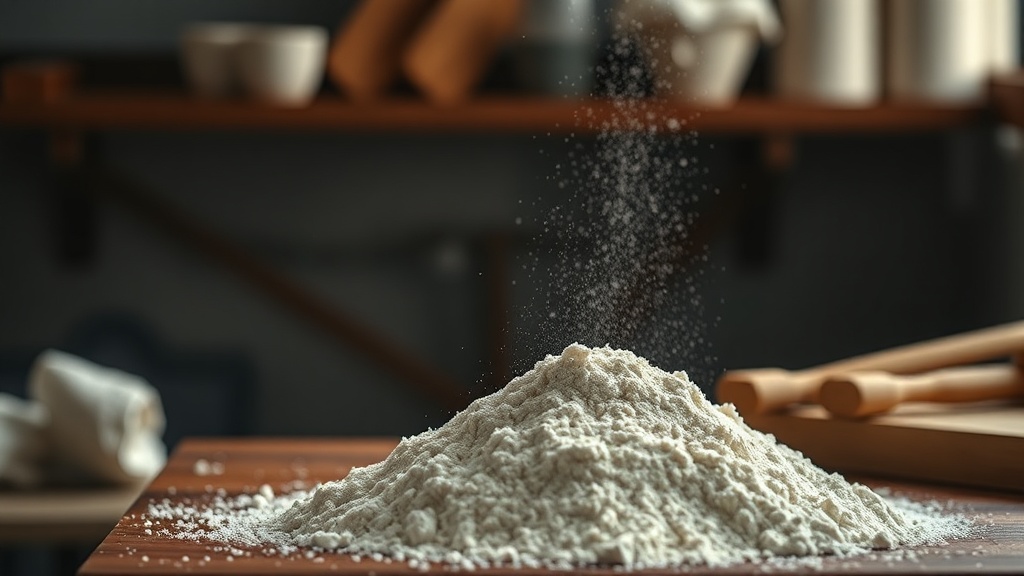
A spoonful of dry flour hits the ceramic bowl, and instead of a soft, silent drift, it makes a distinct, scratching sound. You run your fingers through the mixture, and instead of a silk-like texture, you feel tiny, hard granules against your skin. This grit is the primary reason many home bakers abandon gluten-free baking altogether, assuming the ingredients themselves are flawed. This post explains exactly why your gluten-free flour blends feel sandy or gritty and provides professional techniques to eliminate that unpleasant sensation in your final baked goods.
The Science of Grain Particle Size
In traditional wheat baking, the gluten network provides structure, but the flour itself is milled to an incredibly fine, consistent micron level. In the gluten-free world, we are working with a heterogeneous mix of various starches and grain flours. The "grittiness" you feel is rarely a sign of spoilage; rather, it is a physical manifestation of unrefined grain particles that have not been sufficiently broken down. When you use a blend, you are often combining heavy, dense ingredients like brown rice flour, sorghum flour, or buckwheat with lighter starches like tapioca or potato starch.
The most common culprit is brown rice flour. While it is a staple in almost every high-quality blend, it is naturally more granular than white rice flour. If the manufacturer has not utilized a high-precision milling process, the residual bran particles remain large. These particles do not dissolve in liquid; they sit suspended in your batter or dough, providing that unmistakable "sand" sensation on the tongue. Other offenders include buckwheat flour and certain types of cornmeal, which possess a naturally coarser cellular structure.
The Role of Hydration and Time
Texture is not just about what is in the bag; it is about how those ingredients interact with moisture. In professional kitchens, we rely on a concept called hydration time. If you mix a gluten-free batter and immediately put it into the oven, the larger particles of rice or grain flour may not have had enough time to absorb the liquid. This results in a finished product where the center feels gritty or "crunchy" in a way that is not intentional.
When the particles are dry, they remain hard. When they are fully hydrated, the starch granules swell and soften. If your blend is high in heavy grains and low in fine starches, you must compensate with either more liquid or more time. If you find your textures are consistently off, you might want to review why using cold eggs can affect your batter, as temperature significantly impacts how quickly liquids penetrate these dense particles.
Common Culprits in Popular Blends
Not all gluten-free flour blends are created equal. As a critic, I have tested dozens of commercial blends, and the difference in "mouthfeel" is often staggering. To avoid grit, you must understand the composition of the brands you are buying.
- High-Rice Blends: These are often the most affordable but also the most prone to grittiness. If the label lists "Brown Rice Flour" as the first ingredient without specifying "superfine," expect a textural challenge.
- Nut-Based Blends: Blends containing almond flour or hazelnut flour tend to feel "oily" rather than "gritty." While they lack the sandiness of rice, they can feel heavy or greasy if the ratio of nut to starch is incorrect.
- Starch-Heavy Blends: These are usually very smooth (think tapioca or arrowroot), but they lack the structural integrity for bread. If a blend is too smooth, your baked goods might turn out gummy or rubbery instead of gritty.
If you are using a blend that feels particularly coarse, I recommend checking the ingredient list for xanthan gum or guar gum. These hydrocolloids are essential for binding, but if they are not evenly distributed, they can create small, gelatinous clumps that feel even more unpleasant than the grain grit itself.
Professional Solutions to Eliminate Grittiness
If you are stuck with a gritty flour or want to elevate a standard blend, use these three professional techniques to ensure a smooth, professional-grade crumb.
1. The Sifting Method
Never assume a gluten-free blend is "ready to use" straight from the bag. Even if it looks fine, I recommend sifting your flour blend through a fine-mesh sieve at least twice before adding it to your wet ingredients. This does two things: it aerates the flour, making it lighter, and it helps break up any small clumps of starch or gums that have formed during storage. If you are working with a particularly coarse brown rice flour, sifting is non-negotiable.
2. The "Resting" Rule (Hydration is Key)
This is the single most effective way to fix a gritty texture. Once you have mixed your wet and dry ingredients, do not bake immediately. Let your batter or dough rest on the counter for at least 30 minutes before putting it in the oven. For heavy doughs like bread or muffins, even 60 minutes is ideal. This "autolyse" period allows the moisture to fully penetrate the hard edges of the rice or grain particles, softening them through osmosis. This turns a "sandy" batter into a smooth, cohesive one.
3. Incorporating High-Moisture Ingredients
If your recipe feels too dry or the flour feels "thirsty," you can counteract the grit by adding ingredients that provide sustained moisture. Instead of just adding more water, which can make the texture gummy, use liquids that contain fats or proteins.
- Full-fat coconut milk: The fat content helps coat the grain particles, smoothing out the sensation.
- Greek yogurt or Sour Cream: The acidity and moisture help break down the grain structure.
- Applesauce or Pureed Fruit: These provide a consistent, fine moisture that permeates the flour more effectively than water.
Troubleshooting Your Texture
Sometimes, the grit isn't coming from the flour, but from a failure in the baking process. If you have followed the resting rule and sifting techniques but still experience issues, consider these variables:
Over-mixing: While gluten-free baking doesn't require much mixing (since there is no gluten to overwork), over-mixing can actually cause the starches to become overly hydrated and "slimy" rather than "gritty." You want a balance between a smooth batter and a structured one.
Incorrect Ratios: If you are substituting a single flour for a blend, you might be missing the necessary starches to smooth out the texture. For example, if you replace a blend with 100% buckwheat flour, the result will be significantly more granular. For more complex troubleshooting regarding structure, you may want to look into why your gluten-free sourdough isn't rising, as the relationship between grain density and aeration is a similar mechanical challenge.
Storage Issues: Flour that has been exposed to humidity will clump. These clumps are often perceived as "grit" when they hit the tongue. Always store your gluten-free flours in airtight glass containers in a cool, dark place. If you suspect your flour has absorbed moisture, you can "refresh" it by spreading it on a baking sheet and drying it in a very low oven (around 150°F/65°C) for 10 minutes, though this is a temporary fix.
Final Checklist for Smooth Gluten-Free Baking
Before you preheat your oven, run through this professional checklist to ensure your texture will be dignified and delicious:
- Inspect the Blend: Is the first ingredient a coarse grain like brown rice or buckwheat? If so, expect to work harder on hydration.
- Sift Twice: Have you passed the flour through a fine-mesh sieve to remove large particulates?
- Check Your Liquids: Are you using enough moisture to fully saturate the starches?
- The Wait: Have you allowed the batter to rest for at least 30 minutes to allow for full hydration?
Gluten-free baking is a game of precision and patience. When you stop treating flour as a simple powder and start treating it as a collection of different particle sizes and hydration needs, you will move from "acceptable" textures to truly professional results. Eliminate the grit, and you will finally achieve the textures you deserve.